When conflict erupts, children are often the most vulnerable and bear the greatest burden.
More than one in six children globally now live in areas affected by conflict. Often forced to flee their homes in search of safety, many children remain displaced for extended periods of time, and some are orphaned or separated from parents and caregivers.
UNICEF is working alongside partners to meet the urgent needs of children impacted by conflicts in places such as Gaza, Haiti, Sudan, Ukraine and Yemen.
How UNICEF helps children affected by conflicts
UNICEF works to ensure that children’s rights and essential needs remain at the forefront – even amid violence and instability. Thanks to supporters like you, UNICEF can deliver rapid, life-saving assistance while also laying out the groundwork for long-term resilience and recovery.
At the onset of an emergency, UNICEF activates its response immediately, often within hours. With a presence in 190 countries and the world’s largest humanitarian warehouse network, UNICEF can rapidly mobilize supplies and experts to reach children and families in both urban centres and hard‑to‑reach communities. Emergency teams work closely with local responders to assess needs and coordinate relief efforts.
Emergency assistance measures often include:
- Deploying pre-positioned supplies, including medicine, therapeutic food, tarpaulins and tents to children and families fleeing violence.
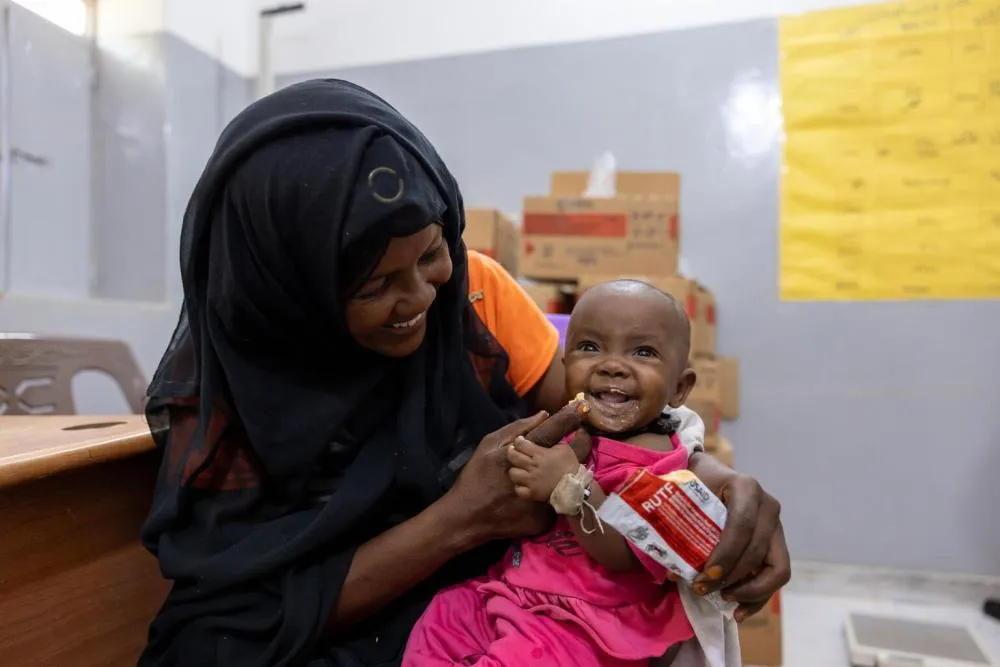
- Delivering life-saving services by deploying mobile teams that deliver health and nutrition support, including treatment for injuries and malnutrition
- Offering mental health and psychosocial support, helping children cope with trauma, loss and stress through counselling and structured activities
- Reuniting separated children with their families or caregivers, while strengthening child protection services to reduce risks of violence, exploitation and abuse
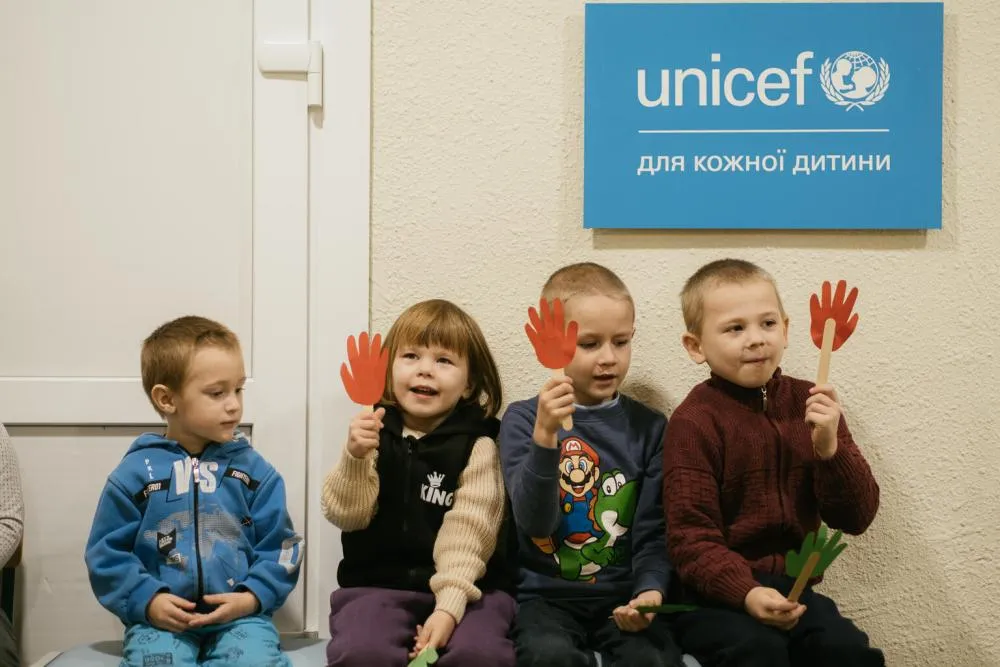
- Supporting displaced children and families by establishing or reinforcing temporary shelters and child‑friendly spaces that offer safety, supervision and opportunities to learn and play
Beyond the immediate emergency phase, UNICEF’s long-term conflict response focuses on building resilience and recovery. This includes:
- Rebuilding education and health infrastructure
- Restoring and expanding social protection systems
- Providing children and families recovering from trauma with sustained psychosocial care
Your support can make all the difference
When emergencies strike, speed and flexibility save lives. Your donation to UNICEF’s Children’s Emergency Fund provides the flexible funding UNICEF needs to respond immediately to conflicts, reaching children faster, scaling up assistance more efficiently and directing resources to where they are needed most.
Because these funds are flexible, UNICEF can prepare before emergencies hit by pre‑positioning life‑saving supplies, training emergency teams and strengthening local response capacity. When a crisis occurs, this funding allows UNICEF to scale up quickly, delivering safe water, emergency healthcare, nutrition, education and protection without delay.
Your support helps ensure that children affected by conflicts receive timely, life‑saving assistance – not only in the first hours of an emergency, but throughout recovery.