


Where Hope Arrives: UNICEF in Ethiopia

© UNICEF Ethiopia/2025/Nahom Tesfaye
In Afar, one of Ethiopia’s most remote and drought-stricken regions, hope arrives in many forms: Under a tree, in a classroom, in the neat rows of gardens planted by neighbours and friends – wherever it appears, it’s thanks to the perseverance of local UNICEF staff, community leaders, and partners.
In December 2025, members of the UNICEF Canada team visited northeast Ethiopia to see this hope in action.
A health clinic under the shade of a tree
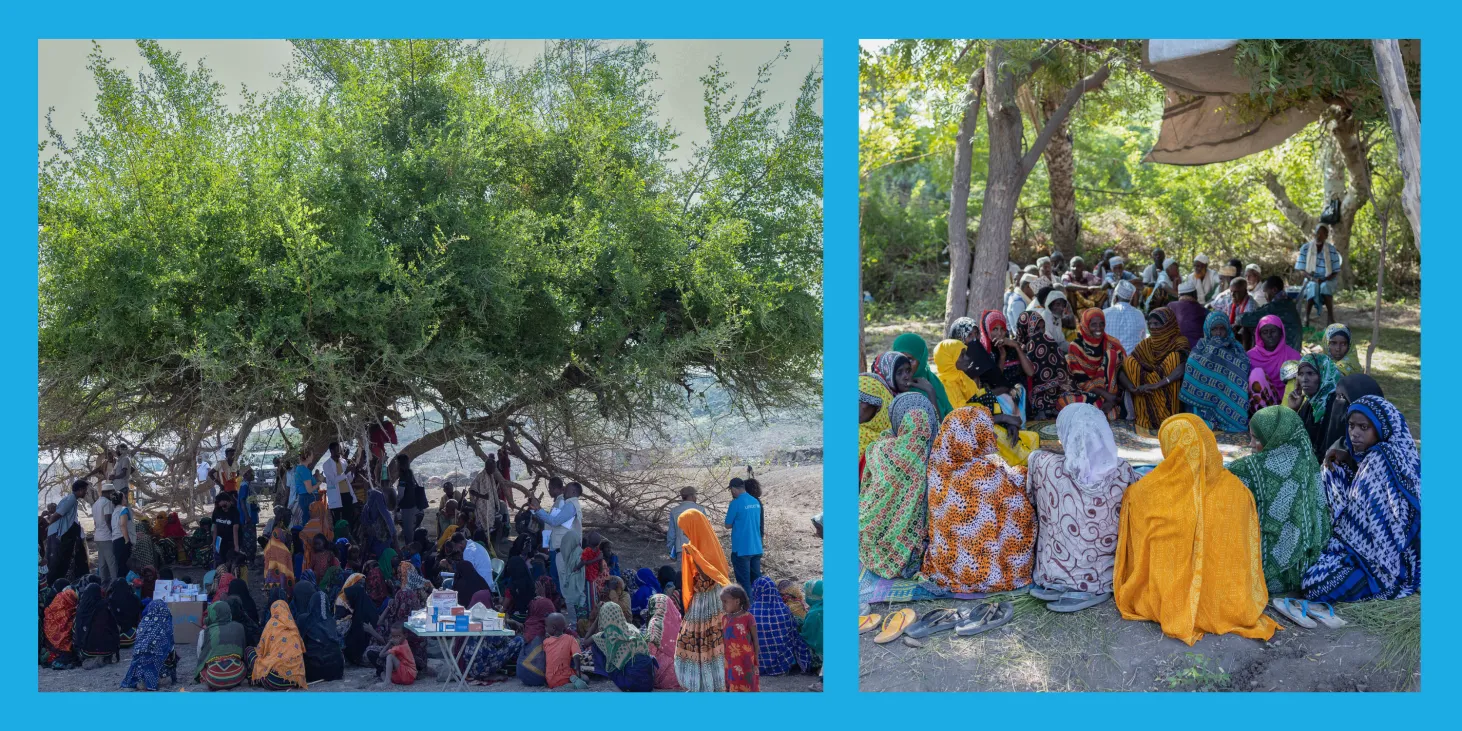
The Afar region’s desert is one of the hottest places on Earth. Here, the shade of trees becomes the waiting room for families seeking care at a time when the country’s health sector is subject to the stresses of conflict, climate change and funding cuts.
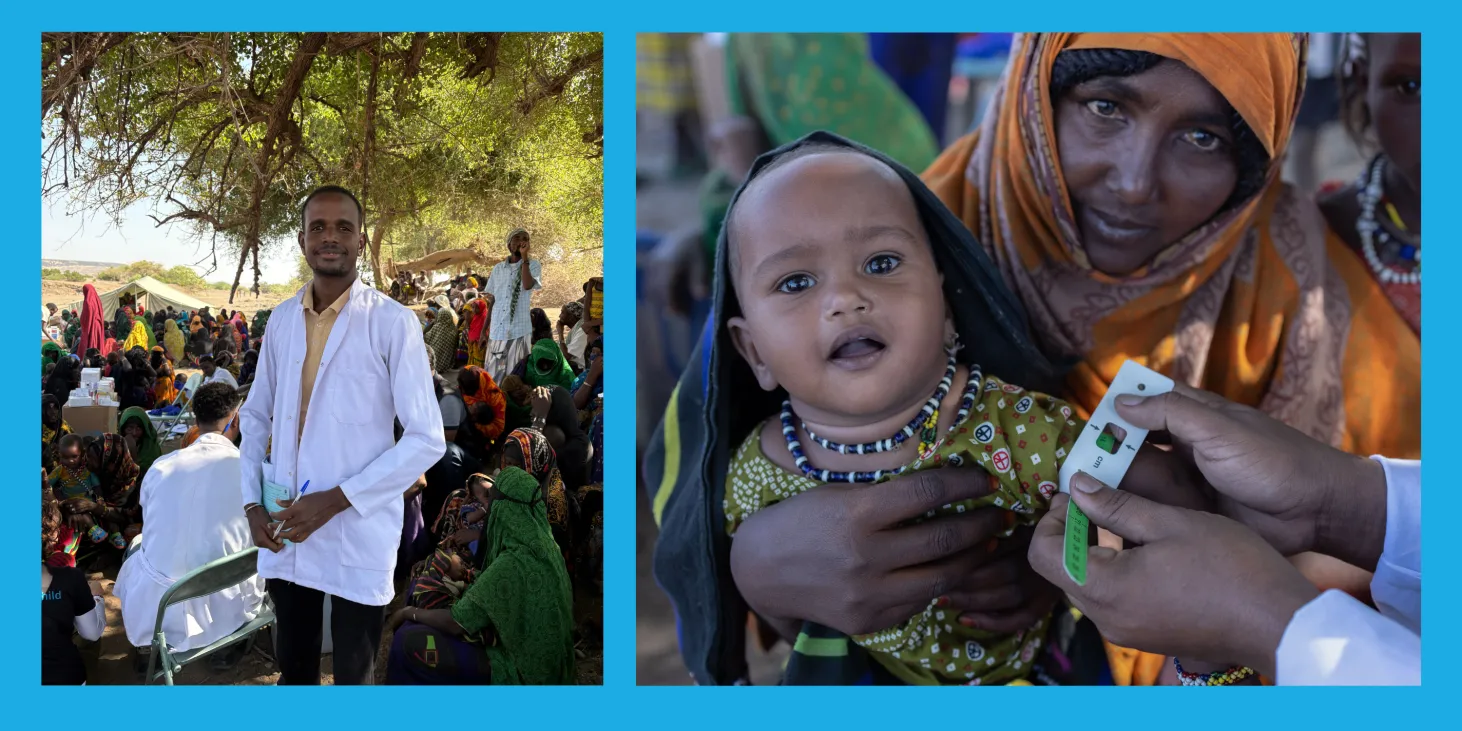
That’s where UNICEF-supported mobile health and nutrition clinics are helping to make a difference. Because many of Afar’s communities are nomadic pastoralists, these clinics are one way to bring much-needed health and nutrition services directly to children and their families. Essential medicines, therapeutic food and even transport to the nearest health centre for very ill patients is provided under this tree.
Still for some, just getting to these clinics remains challenging. Fatouma, mother to a 1-month-old baby, walked for hours to have her baby immunized. Recent aid cuts have only made matters worse, reducing the number of mobile health clinics in region from 30 to 14.
“All of this — from treatments and supplies to the delivery of critical services — are packed in and out daily by this UNICEF supported mobile clinic. It’s hard to overstate its impact in a region with some of the lowest health and nutrition outcomes in Ethiopia.” – Sevaun Palvetzian, President and CEO of UNICEF Canada.
Inclusive classrooms and innovative partnerships
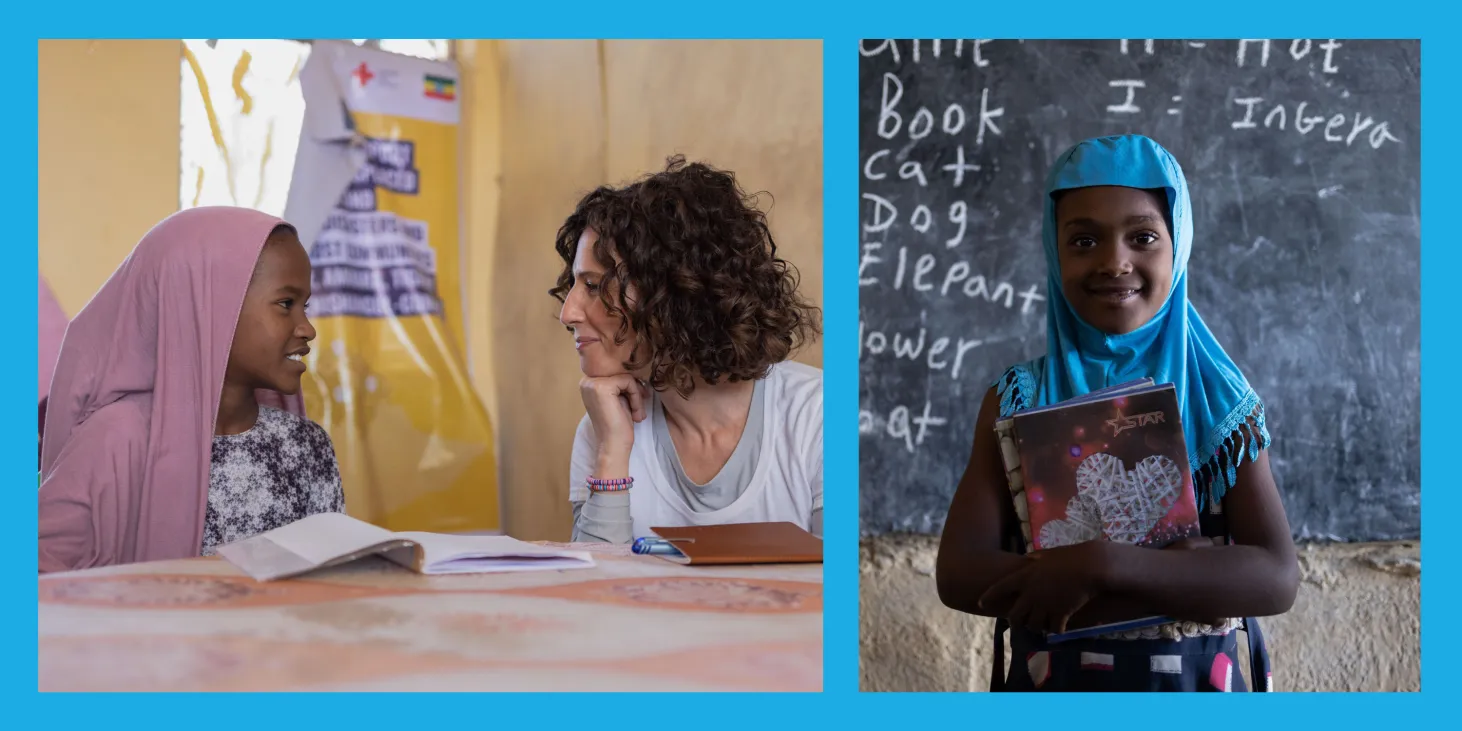
Recent conflict left behind damaged infrastructure and schools, displaced communities and a loss of livelihoods. With the help of UNICEF and partners, children impacted by the conflict are catching up their education as their teachers participate in training and damaged schools are rebuilt.
Inclusive education programs have also been introduced in the region. In Ethiopia, girls face some of the toughest barriers to staying in school, with 40% marrying before turning 18 according to the latest Ethiopian Demographic and Health Survey from 2016. These pressures pull many girls out of class long before they finish their education.
One initiative to address this issue is UNICEF-supported gender clubs. These clubs give girls a safe space to talk about topics many don’t discuss at home. This can include anything from menstruation to building confidence to knowing their rights as girls and young women. Boys also join the conversation, learning how to challenge harmful gender norms, stigma attached to menstruation, and stand alongside their classmates.
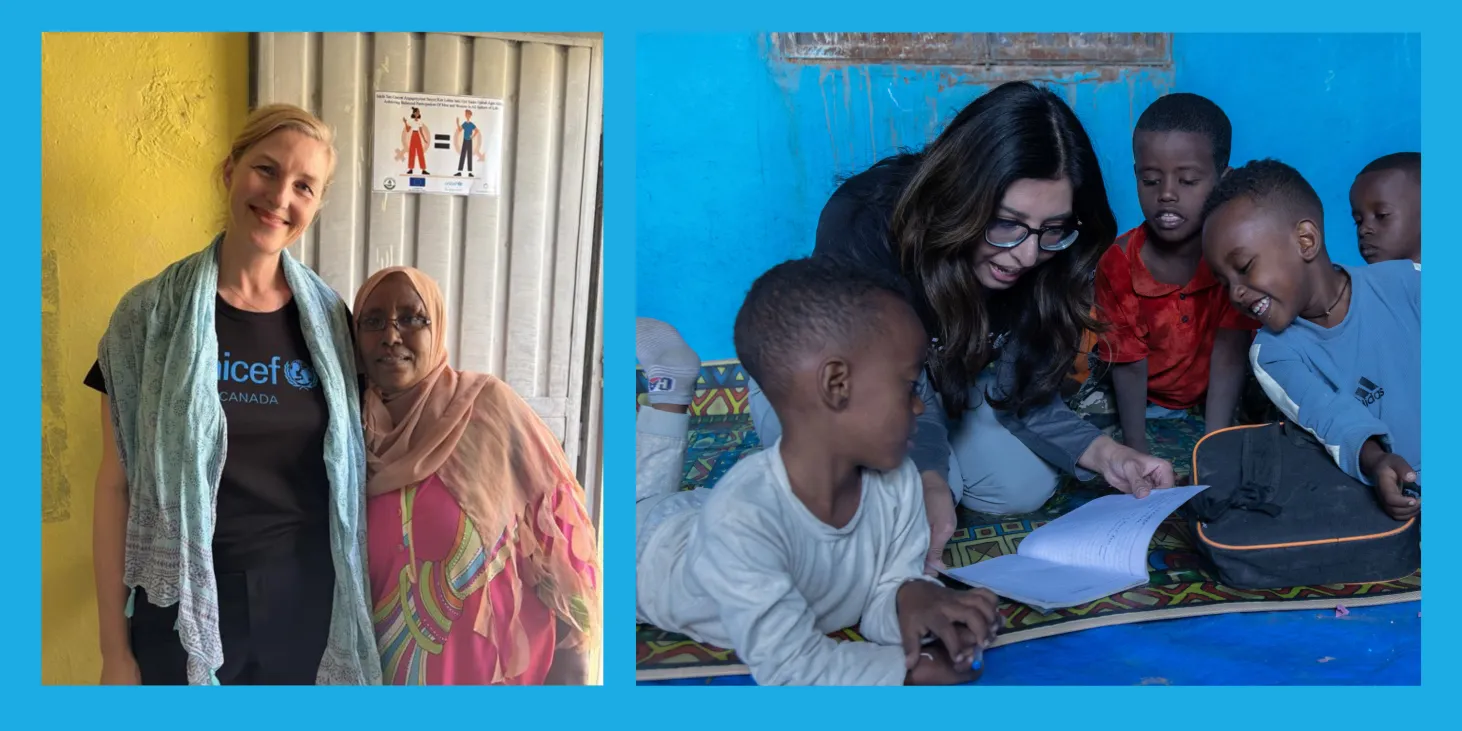
“If we want to break deeply intrenched gender norms and stigma — we need young people who believe in a different future. These clubs do exactly that. They help girls build confidence and teach boys the role they play in creating safe, respectful communities. It’s one of the most promising models for lasting change.” – Rebecca Davidson, Chief Programs Officer, UNICEF Canada.
Community gardens lead to healthier communities
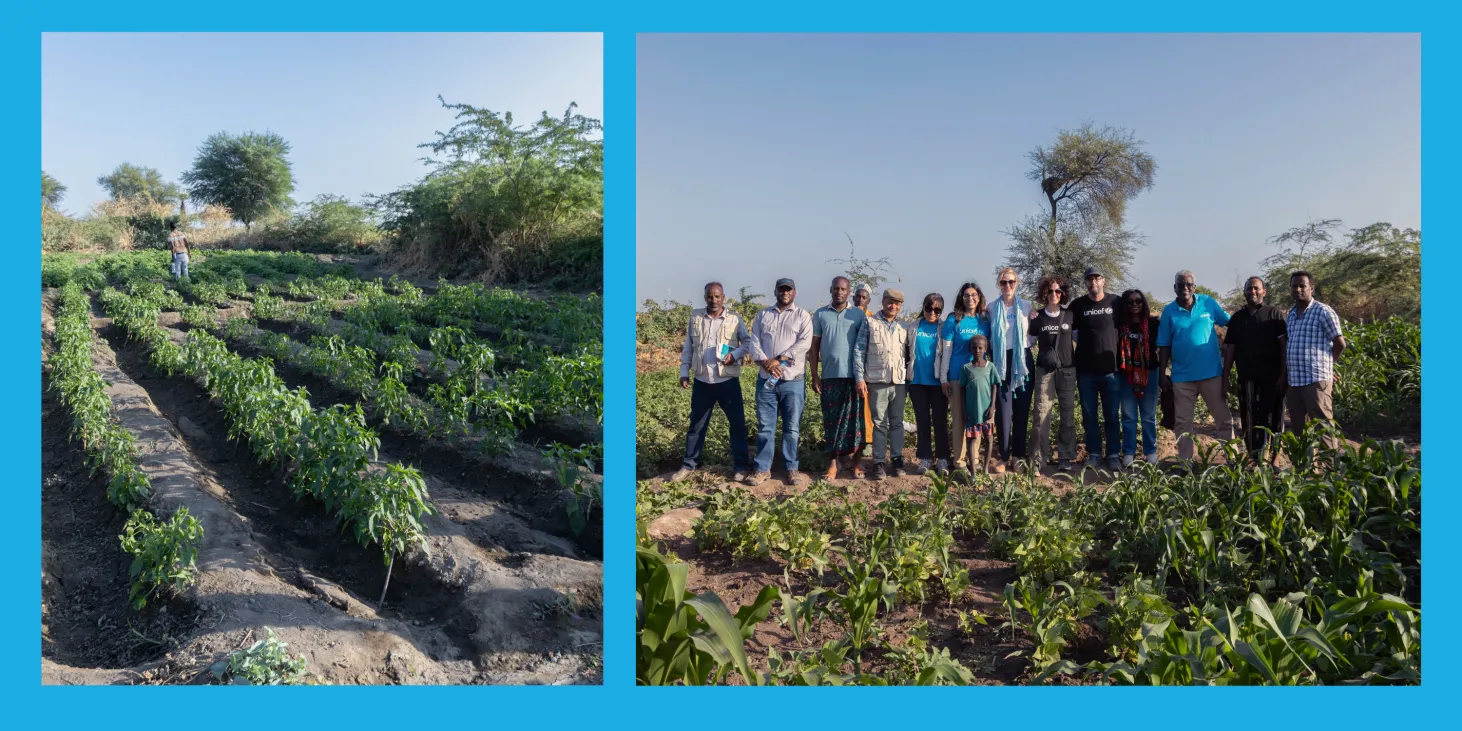
Malnutrition remains a chronic issue for many parts of Ethiopia, but Afar has been hit the hardest. The rate of child food poverty – children's inability to access and consume a nutritious and diverse diet during early childhood, stands at a staggering 99%, with 50% living in severe food poverty and 49% with moderate food poverty. Making the need for prevention just as important as treatment options.
UNICEF has been working closely with communities on one option that’s proven to be as innovative as it is simple: Community gardens.
Often a staple in neighbourhoods across Canada, community gardens are proving to be an extremely effective way to provide access to nutritious food, help diversity diets and create opportunities to improve nutritional knowledge.
They are also effective at engaging local households. One pilot garden in Asayita saw as many as 60 households participate in backyard gardening.
These households were successfully able to grow vegetables and introduced them into their children’s diet. The gardens have also created opportunities to introduce gardening practices, school gardening and cooking demonstrations, so that no matter the circumstances, communities can continue to develop their own sustainable approach to nutrition.