


The Humans of Al Fasher

© UNI941832
Three years of conflict in Sudan have pushed children and families to the brink. At least 9.5 million people have fled their homes, making this the world’s largest child displacement crisis.
In the city of Al Fasher in Sudan’s Darfur region, spiraling violence, the collapse of essential services and unimaginable conditions have forced many families to flee. Many have found shelter in towns such as Tawila, Golo and Rokero, where they have arrived exhausted, hungry and malnourished after days on the road.
Yet despite the challenges, extraordinary acts of humanity continue. On the frontlines are nutritionists, volunteers, midwives and social workers—among many others—working to help those arriving with extraordinary compassion and care.
Their stories reveal not only their courage, but also how UNICEF works beside them every day—delivering lifesaving support, restoring essential services and helping children reclaim safety, dignity and a sense of childhood.
Fadeela
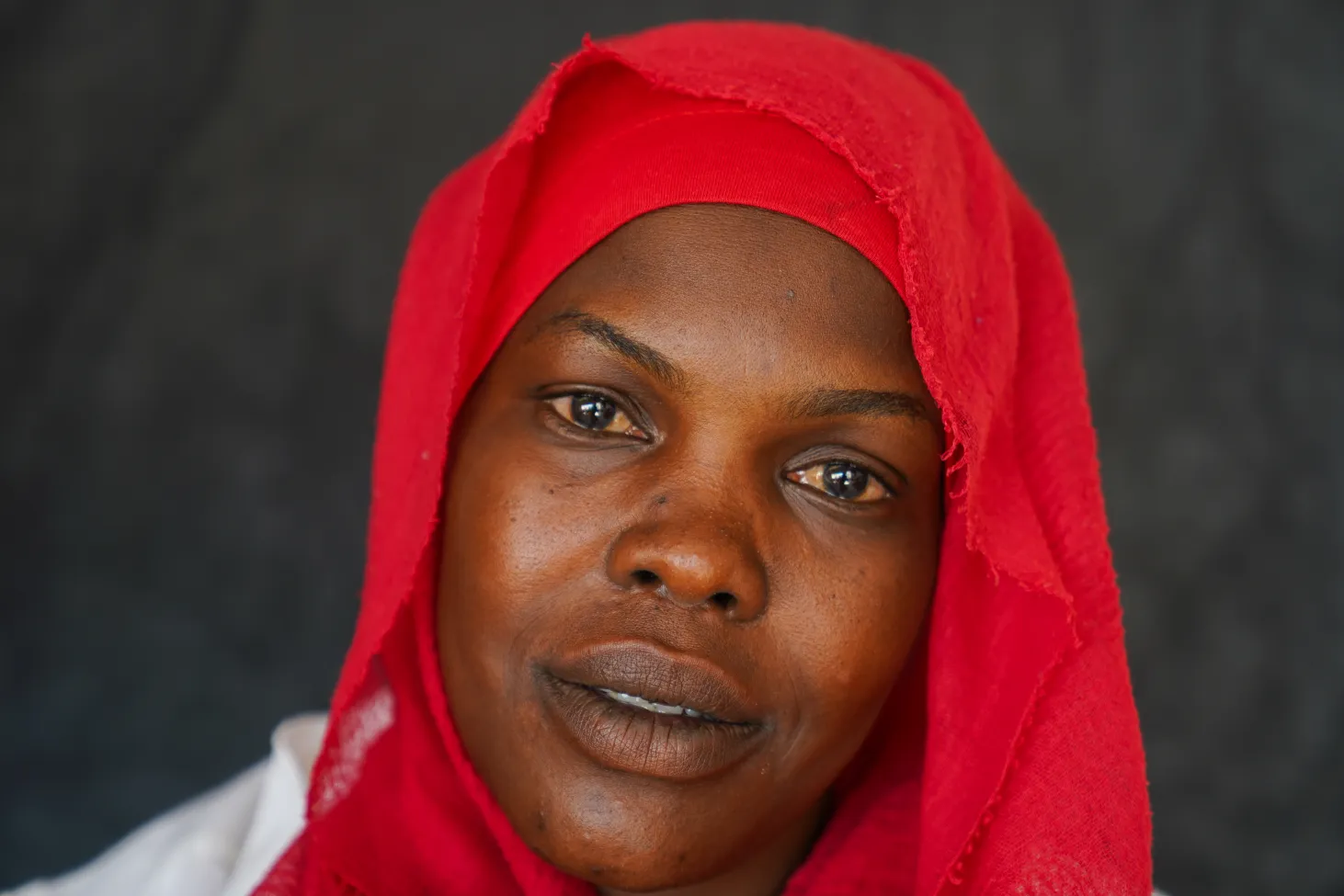
At a small health and nutrition facility in Golo, Fadeela, a nutritionist, cradles her infant daughter in one arm while attending to mothers and children waiting for lifesaving services. Each day, she walks more than 45 minutes to reach the clinic to provide nutrition care and support for displaced families.
“When we are called to provide nutrition counselling, we can’t say no because we feel the pain of these mothers,” she says. “When they arrive, the mothers are so malnourished, physically exhausted and traumatized.”
As a mother herself, Fadeela is determined to continue supporting other mothers nurturing their children, despite the enormous challenges: “I always imagine if it was my daughter who needed lifesaving help.”
UNICEF’s nutrition programs support frontline workers like Fadeela with therapeutic food, mobile nutrition services and expanded treatment for children experiencing malnutrition. In 2025, UNICEF screened over 6.8 million children for malnutrition, supported more than 2,540 health facilities and 148 mobile teams, and treated more than 600,000 children with severe acute malnutrition—an approximate 30% increase from 2024.
Latifa
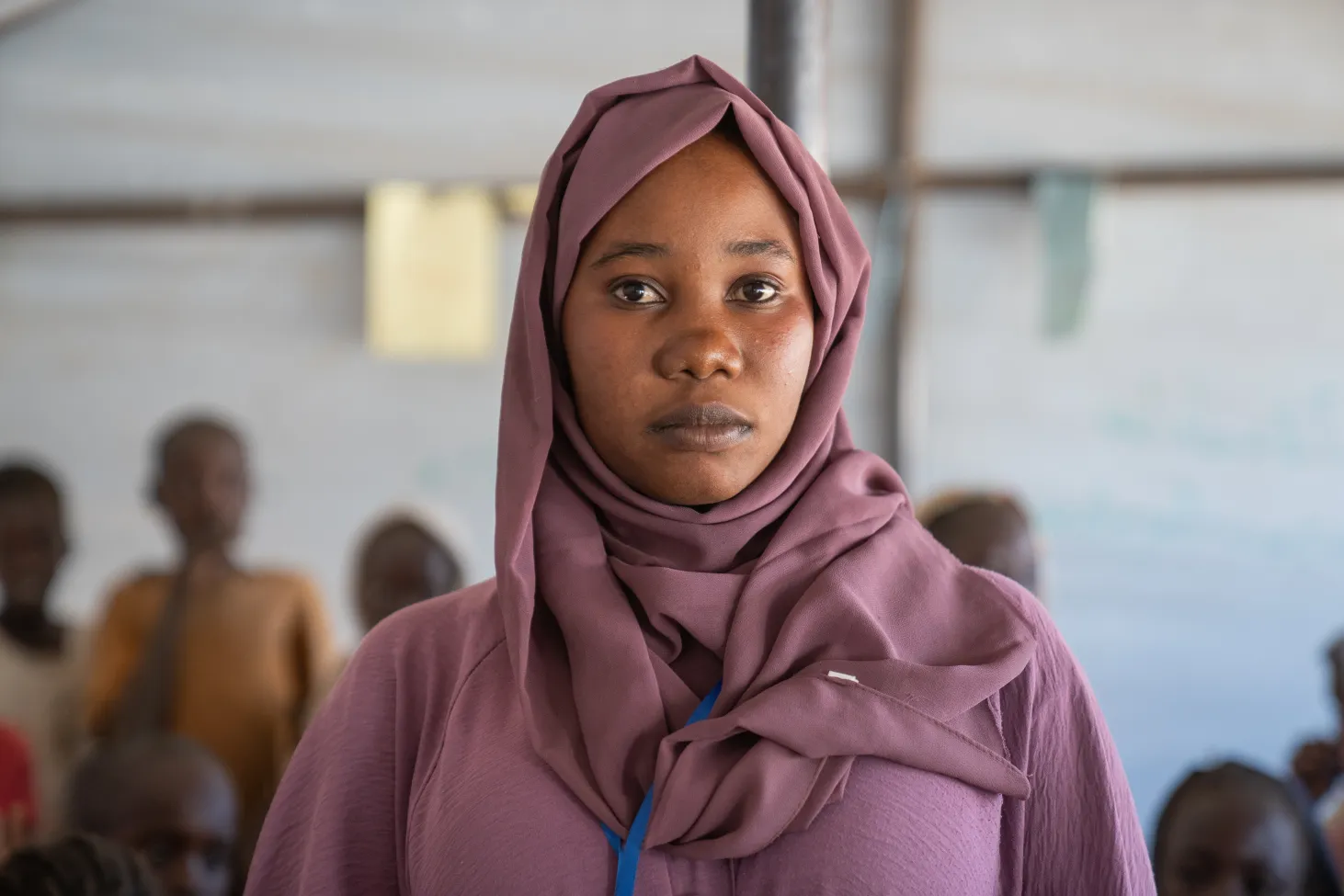
After being displaced multiple times, Latifa now volunteers at a UNICEF-supported safe learning space in Tawila. Every day, she meets children who carry the weight of fear, trauma, and loss far beyond their years.
“This space means safety, care, and love for these displaced children,” she explains. “They have seen so much at such a young age.”
The short time they spend at the safe learning space gives them joy and happiness. “They have so many memories of violence. They need support and things that remind them of their childhood like games and toys. They change completely after coming here.”
Having lived through loss and displacement, Latifa understands the children’s pain and vows to create a safe space where children can share, play, create new bonds and heal in the process.
UNICEF’s education response includes reopening schools, providing learning materials, and ensuring safer classrooms so that children can keep learning despite the crisis. In 2025, UNICEF and partners helped 3.2 million children and adolescents access learning, reopened 13,005 schools and distributed materials to 1.6 million children, helping learning continue even in the most challenging conditions.
Help UNICEF continue providing lifesaving services for children and families in Sudan and around the world. Donate now
Amina
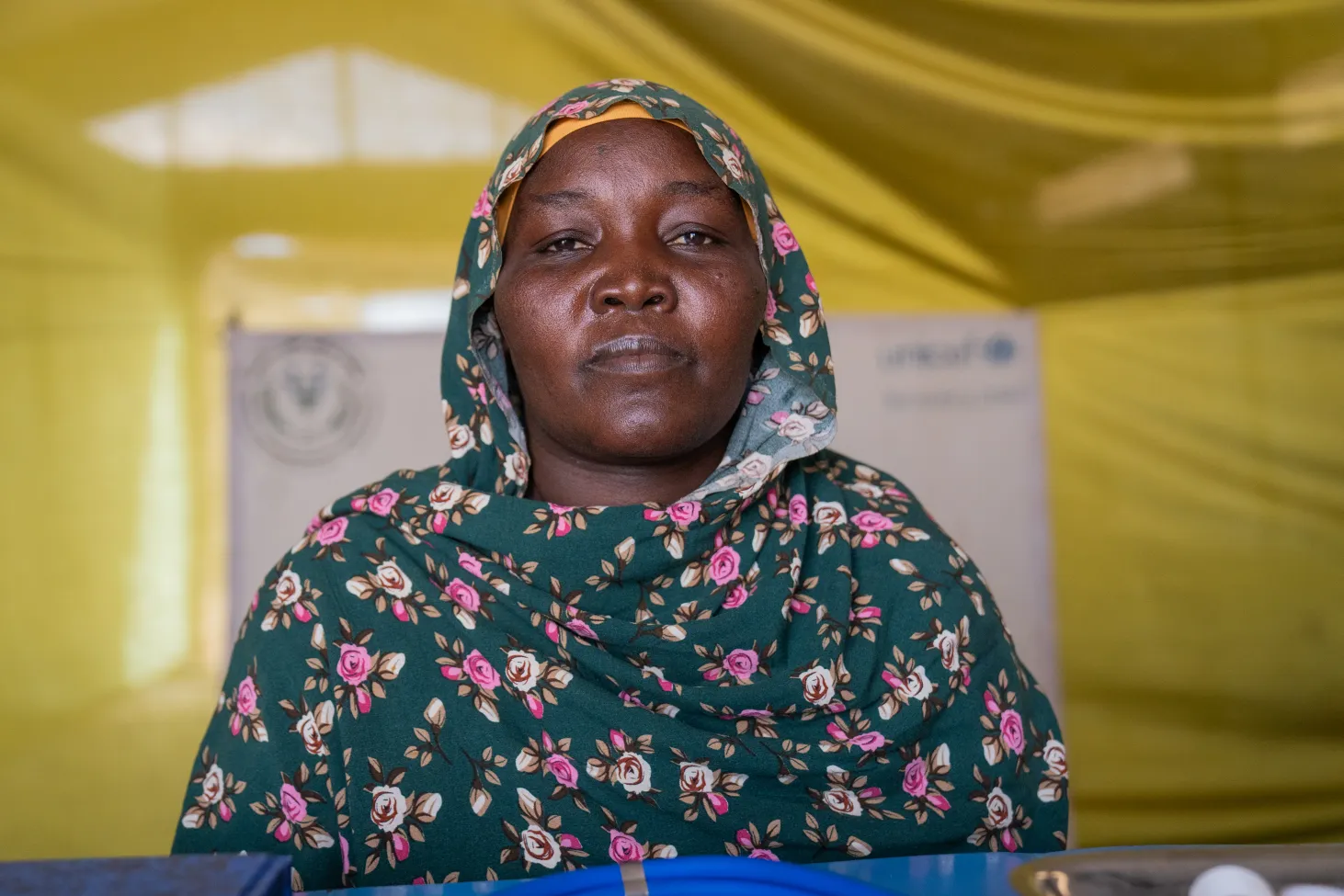
For Amina, a midwife who survived her own harrowing displacement journey, the memory of children dying on the road stays with her. “I still have something to give even after losing everything,” she says.
At the health facility where she works, Amina offers antenatal and postnatal care services, supports safe deliveries, conducts nutrition awareness sessions and ensures pregnant and lactating women receive essential medicines and vitamins.
“Women arrive exhausted, hungry, and frightened,” Amina explains. “Many come from Zamzam camp. They have no shelter, no blankets, nothing to wrap their newborns in.”
But she also worries about the conditions in the camps that they return to. “The crowded shelters and cold nights pose serious risks to newborns.”
At the end of each day, Amina walks home to her own children, sharing the same uncertainties as the families she serves. Yet each morning, she returns. Amid loss and displacement, Amina is not just delivering babies, but also health and hope.
UNICEF’s health response in Sudan supports workers like Amina by sustaining primary healthcare services, delivering vaccines and medicines, and deploying mobile teams to hard-to-reach areas. In 2025, UNICEF led the national health response, supporting 1,400 health facilities and providing primary healthcare to 4.5 million women and children.
Mahla
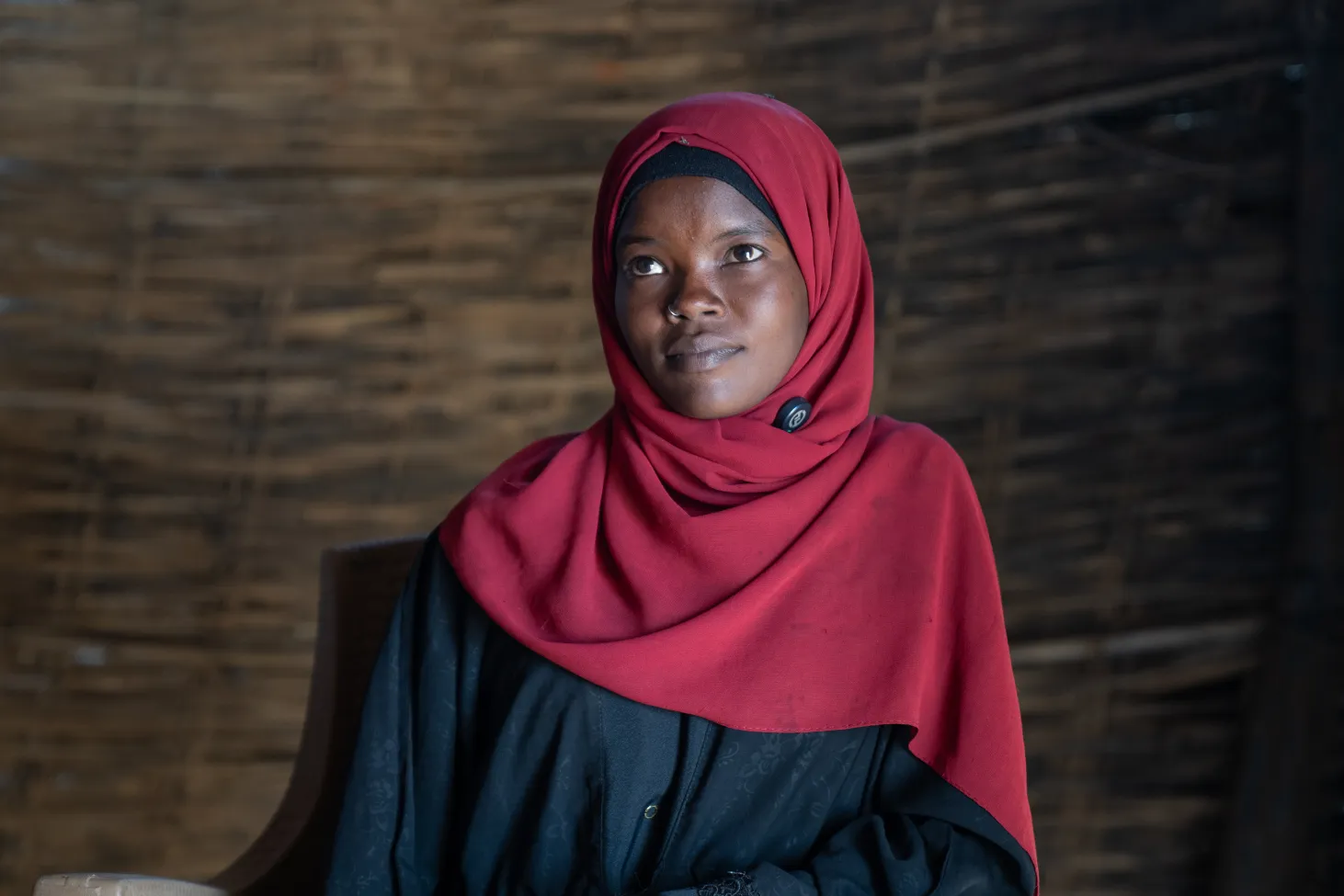
Mahla works as a social worker at a safe space established to provide specialized services for women and girls affected by the conflict.
Displaced herself, Mahla has witnessed and lived the suffering displaced families endure daily.
“I know how much one must endure to reach safety—and the risks,” she says. “We stayed in the sun, hungry and thirsty, for two weeks before arriving here. Young children were dying of hunger, because there was no food or shade.”
At the safe space she spends time with women and girls providing psychosocial support through individual and group counselling sessions.
“I cannot describe the difference this place makes for women, girls and children,” Mahla says. “This is where they feel seen, heard and safe. The women and girls treat each other like sisters.”
For Mahla, this is not work, it is healing. “Together we help each other to heal.”
UNICEF’s protection programs in Sudan help create environments where emotional wounds can begin to heal, even in the harshest conditions. In 2025, UNICEF and partners reached 3.3 million children and caregivers with mental health and psychosocial support. More than 20,000 children—including those with disabilities—also benefited from family tracing, reunification and alternative care services.
The Broader Picture
Across Sudan, 33.7 million people—including 17.3 million children—require lifesaving support. UNICEF’s integrated response remains focused on three goals:
- Maintaining lifesaving services in conflict hotspots
- Supporting newly displaced families and host communities
- Preserving essential water and sanitation, health, nutrition and protection systems
Since the conflict intensified, UNICEF teams have been delivering:
- Health supplies, vaccines and primary healthcare services
- Malnutrition screening and therapeutic food
- Safe drinking water, sanitation and hygiene services
- Cash assistance and vital support for pregnant and lactating women
- Psychosocial services, learning support and child friendly spaces
These interventions—combined with the resilience of frontline workers—are planting seeds of hope in a landscape defined by loss. As lead or co-lead for the water, sanitation and hygiene (WASH), nutrition, education and child protection coordination platforms, UNICEF will continue to drive collective efforts that sustain humanitarian lifelines across Sudan.
Together, we can help frontline workers continue delivering healthcare, nutrition, education and protection where it’s needed most. Donate today.
Faisal
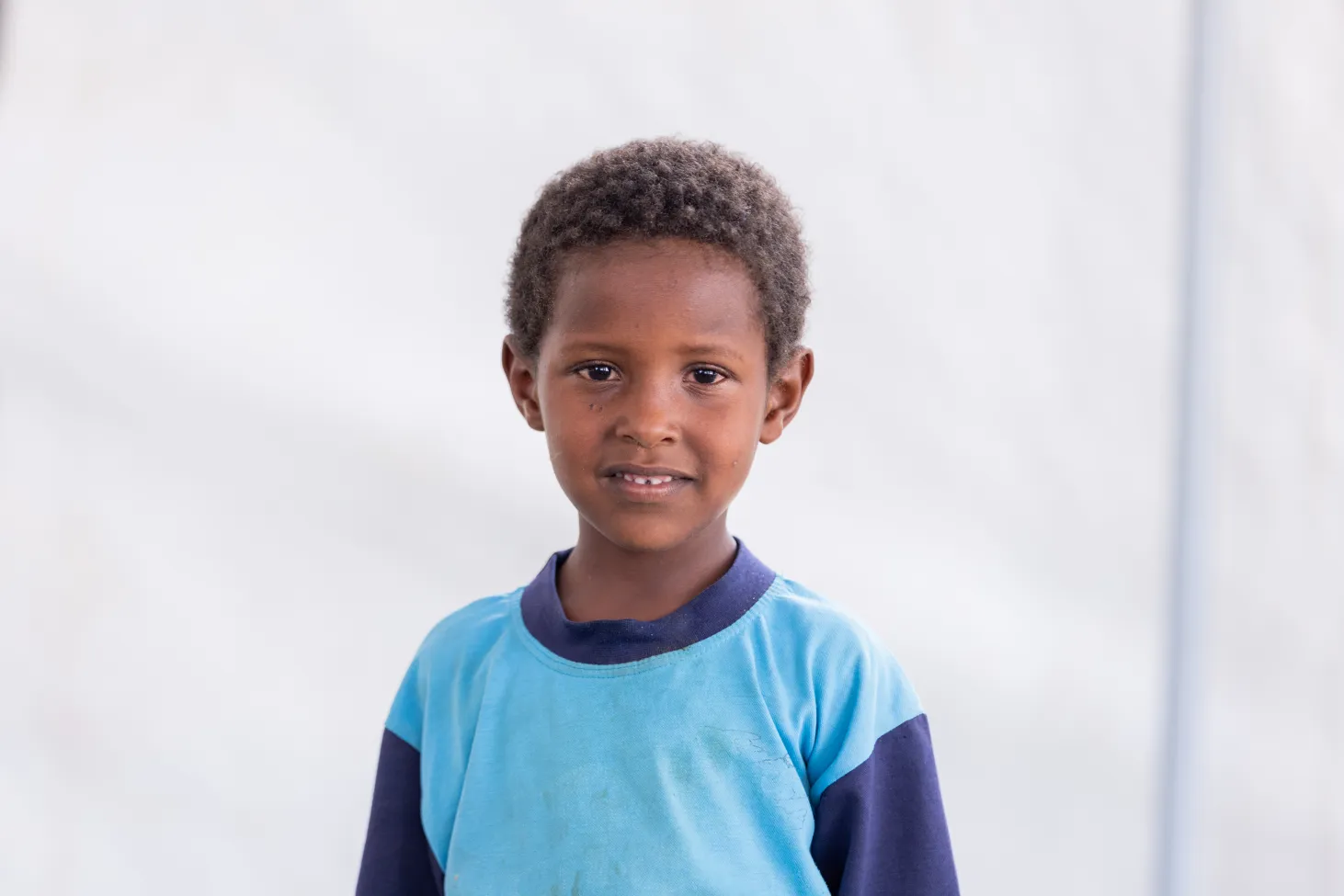
Two years ago, Faisal, 6, fled Omdurman with his family. Today, he attends sessions at Al Madina Al Manawara Safe Learning Space in Al Geneina. “This place is very nice. But I want a school bag and winter clothes.”
Al Madina Al Manawara is one of 150 UNICEF-supported safe learning spaces across Sudan. For children like Faisal, these spaces restore routine, protection and hope to children who have lost almost everything.
Sudan’s children face a daily battle for survival. But in the midst of conflict, people like Fadeela, Latifa, Amina and Mahla continue to make life bearable amidst daily struggles. Even after losing everything, they are restoring hope, saving newborns, treating the sick, creating new routines for children, reopening classrooms and healing emotional wounds.
“It is hard to believe that in all this pain, there is still beauty and hope…It lives in people who have redefined my understanding of strength and kindness.”
— Hiba Ali, UNICEF Communication Specialist