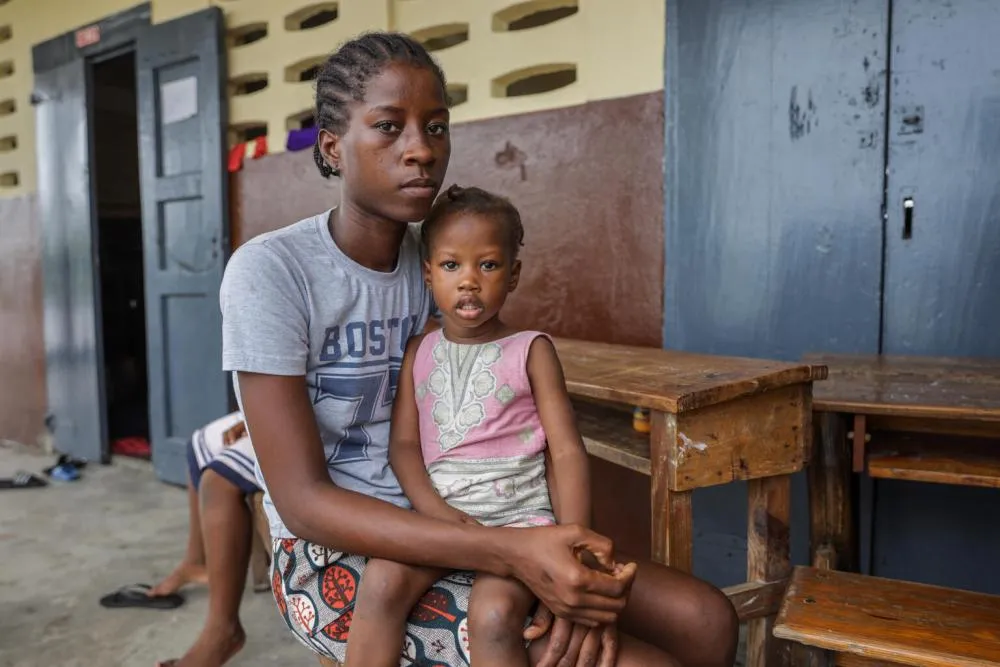
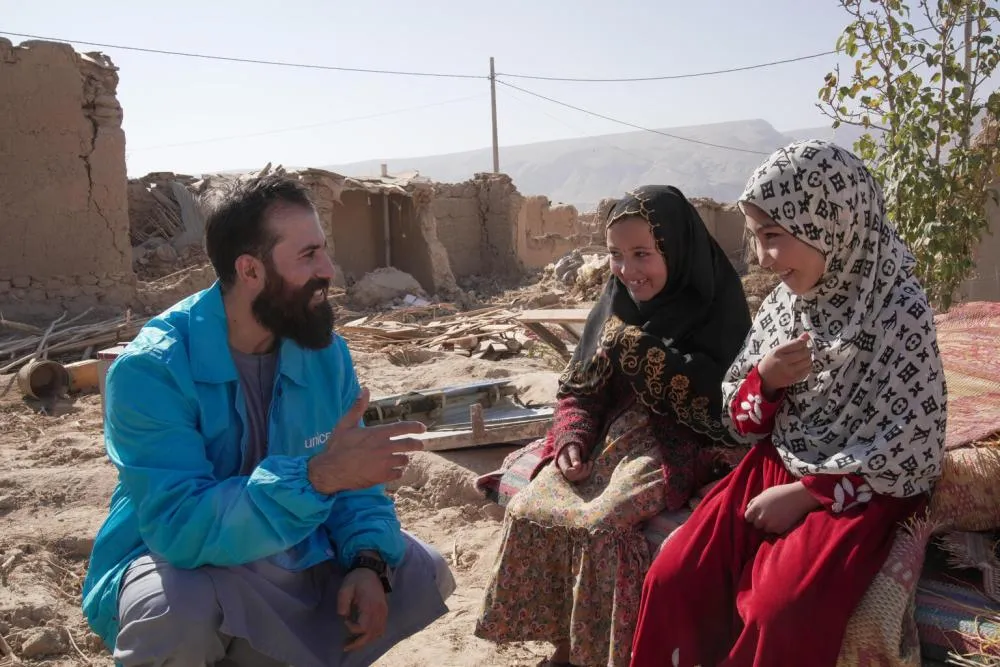
Whether in Colombia, Venezuela or elsewhere, natural disasters can have devastating consequences for children and their families.
Learn more about UNICEF Canada’s earthquake response in Venezuela.
Children and families living in affected areas are often forced to flee to safety as homes, schools and other critical infrastructure are damaged or destroyed. Their access to safe drinking water, healthcare and nutrition becomes even more difficult to access.
During a natural disaster, children may also be separated from their parents or caregivers and face increased exposure to hazardous environments. The risks of violence, exploitation and abuse rise, particularly for girls and children with disabilities.
How UNICEF helps children facing natural disasters
Preparedness is critical. Before a disaster strikes, UNICEF works with partners and communities to identify risks, develop plans and pre-position supplies so they are prepared to respond as fast and effectively as possible.
At the onset of an emergency, UNICEF activates its response immediately, often within hours. With a presence in 190 countries and the world’s largest humanitarian warehouse network, UNICEF can rapidly mobilize supplies and experts to reach children and families in both urban centres and hard‑to‑reach communities. Emergency teams work closely with local responders to assess needs and coordinate relief efforts.
Emergency assistance measures often include:
- Supporting displaced children and families by establishing or reinforcing temporary shelters and child‑friendly spaces that offer safety, supervision and opportunities to learn and play
- Providing safe drinking water, sanitation and hygiene supplies, such as water tanks, latrines and hygiene kits, to reduce the spread of disease after floods, earthquakes or storms
- Delivering emergency healthcare, including vaccinations, trauma care and maternal health services, through mobile clinics and supported health facilities
- Treating malnutrition with therapeutic foods and nutritional supplements for infants, young children and pregnant or breastfeeding women
- Helping children continue learning by distributing school supplies, setting up temporary classrooms and supporting teachers so education can resume as quickly as possible
- Offering mental health and psychosocial support, helping children cope with trauma, loss and stress through counselling and structured activities
- Reuniting separated children with their families or caregivers and strengthening child protection services to reduce risks of violence, exploitation and abuse
Beyond the immediate emergency phase, UNICEF supports longer‑term recovery and climate resilience. This includes repairing and climate‑proofing water and sanitation systems, restoring essential health and education services, and strengthening national and community systems to better withstand future climate‑related shocks. By investing in preparedness, risk reduction and resilient infrastructure, UNICEF helps countries adapt to a changing climate and better protect children before the next crisis strikes.
Your support can make all the difference
When emergencies strike, speed and flexibility save lives. Your donation to UNICEF’s Children’s Emergency Fund provides the flexible funding UNICEF needs to respond immediately to natural disasters, reaching children faster, scaling up assistance more efficiently and directing resources to where they are needed most.
Because these funds are flexible, UNICEF can prepare before disasters hit by pre‑positioning life‑saving supplies, training emergency teams and strengthening local response capacity. When a crisis occurs, this funding allows UNICEF to scale up quickly, delivering safe water, emergency healthcare, nutrition, education and protection without delay.
Your support helps ensure that children affected by natural disasters receive timely, life‑saving assistance — not only in the first hours of an emergency, but throughout recovery, as families rebuild and communities strengthen their resilience to future shocks.