


Photo Dispatch: Inside the Busuma Refugee Camp in Burundi

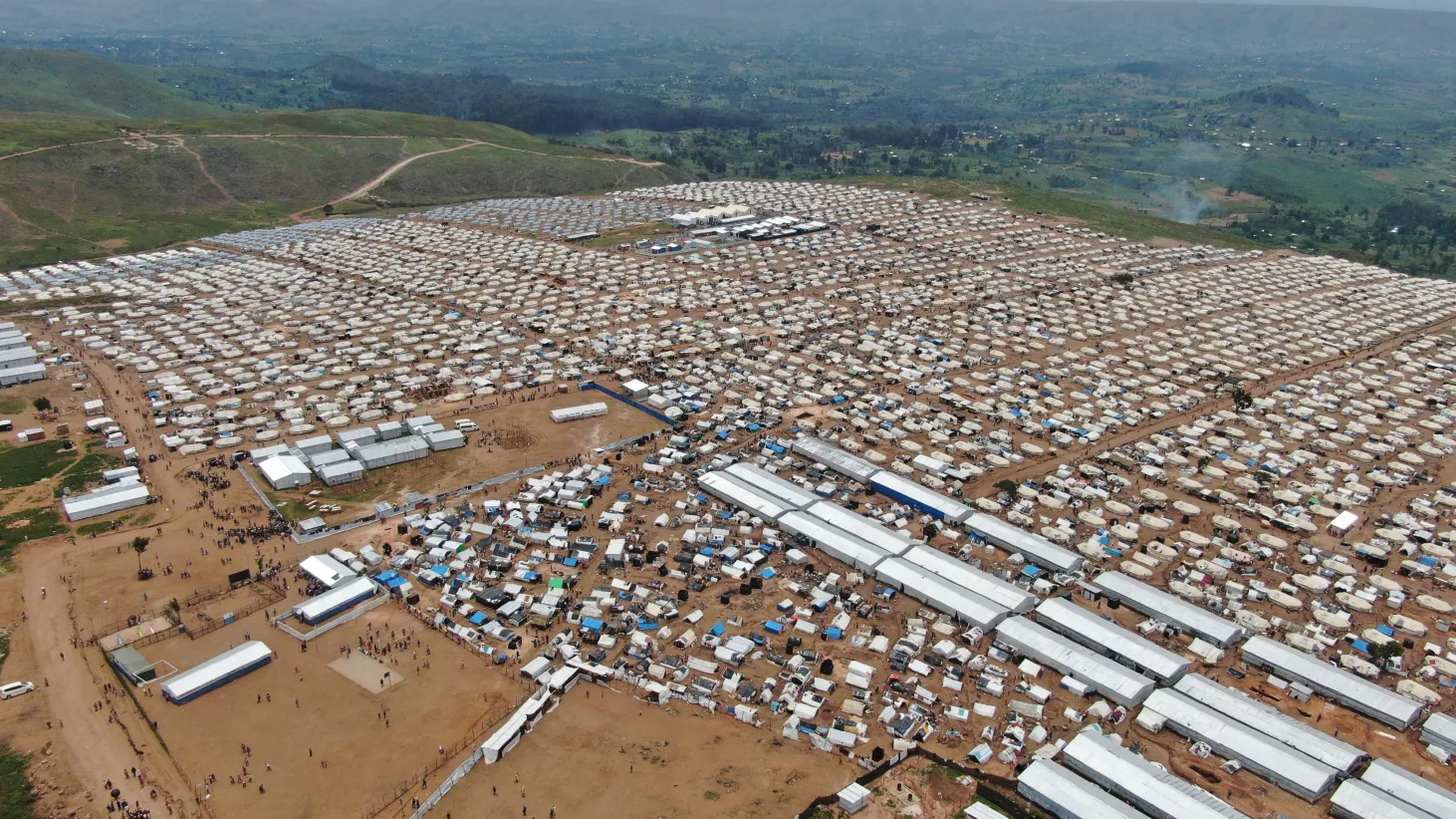
Miles away, you spot a white glow against the red soil before your brain really grasps what you’re seeing. As you approach, it becomes clearer: Tents.
Thousands of them. In the mountains of Burundi on terrain that looks like a razor blade has scraped the former forest clear.
This is Busuma refugee camp, home to nearly 64,200 refugees fleeing conflict from neighbouring Democratic Republic of Congo. Half are children.
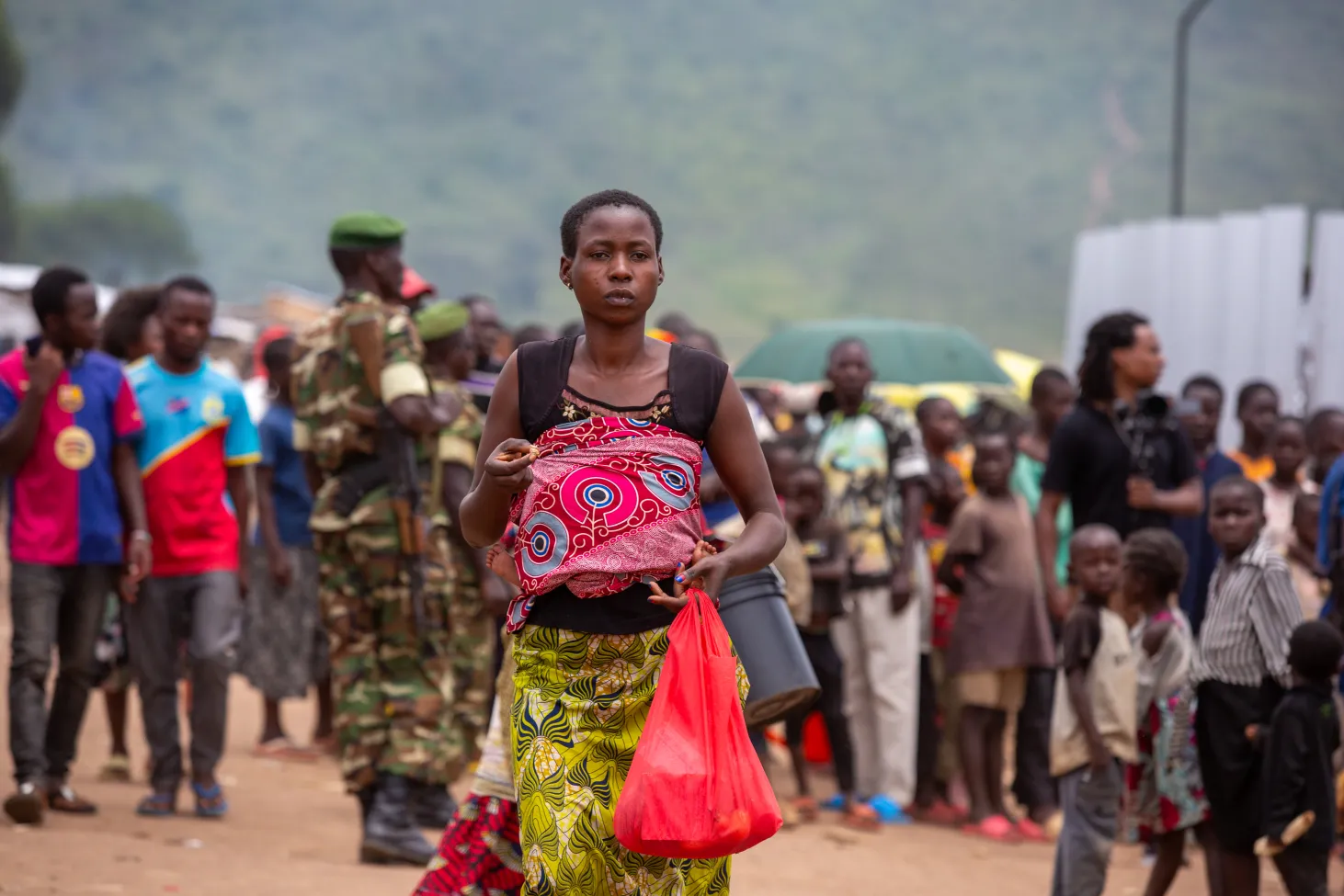
Scarcity is stacked in layers. Those who arrived in December have tents with the most structure to them. Those who arrived more recently live in tents that are little more than thick branches with ripped tarp, offering some shade and shelter.
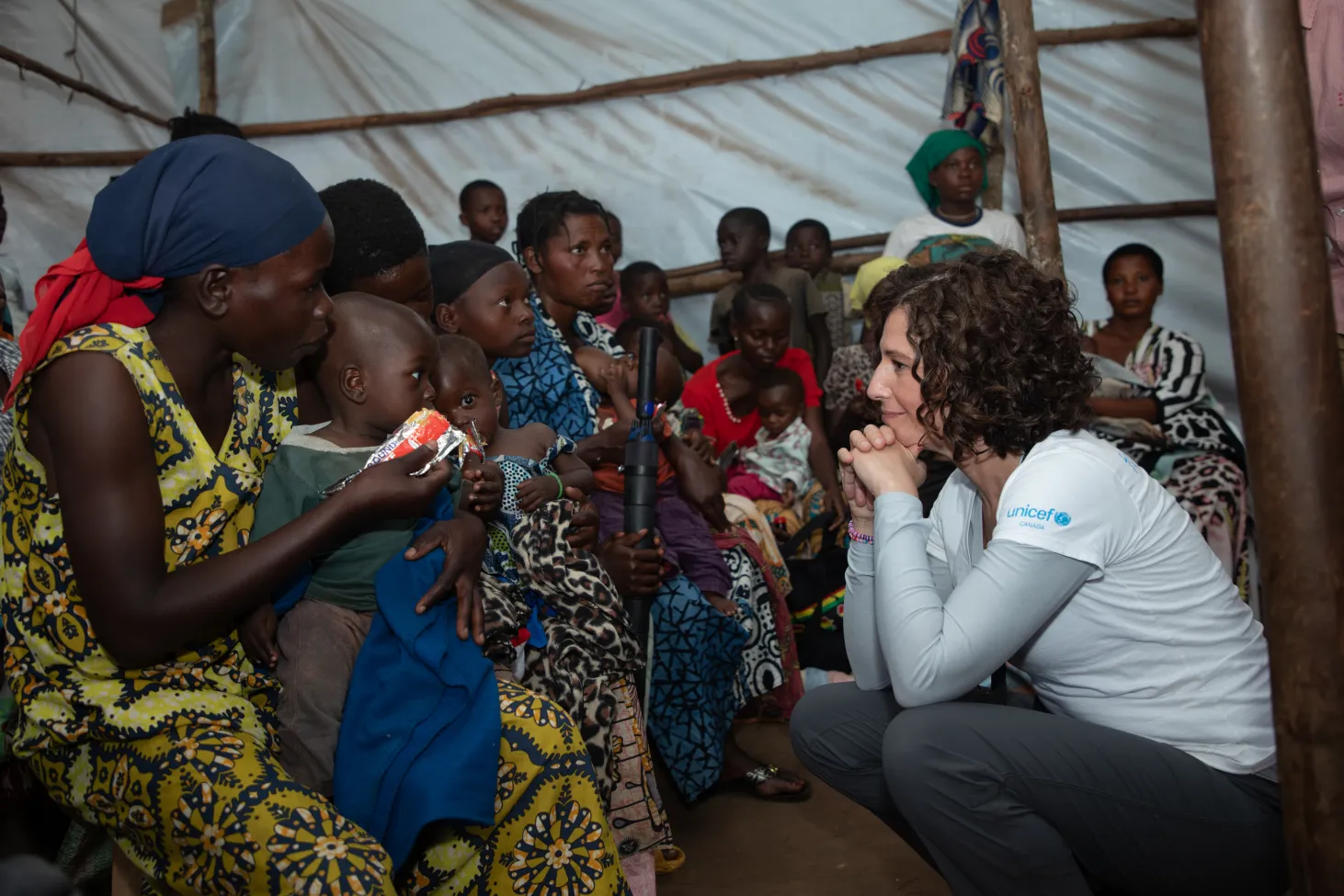
Burundi, the poorest nation on earth, has partnered with humanitarian organizations,
including UNICEF, to do what they can to support these refugees. While there, I saw a palpable need for everything.
A single mobile health clinic was providing around 300 consultations a day, helping treat disease and injury, as well as sexual violence against young girls. To counter an ongoing cholera outbreak, UNICEF and partners were providing sprayers, PPE gear, and barrels of chlorine to support disinfection of spaces including reception sites.
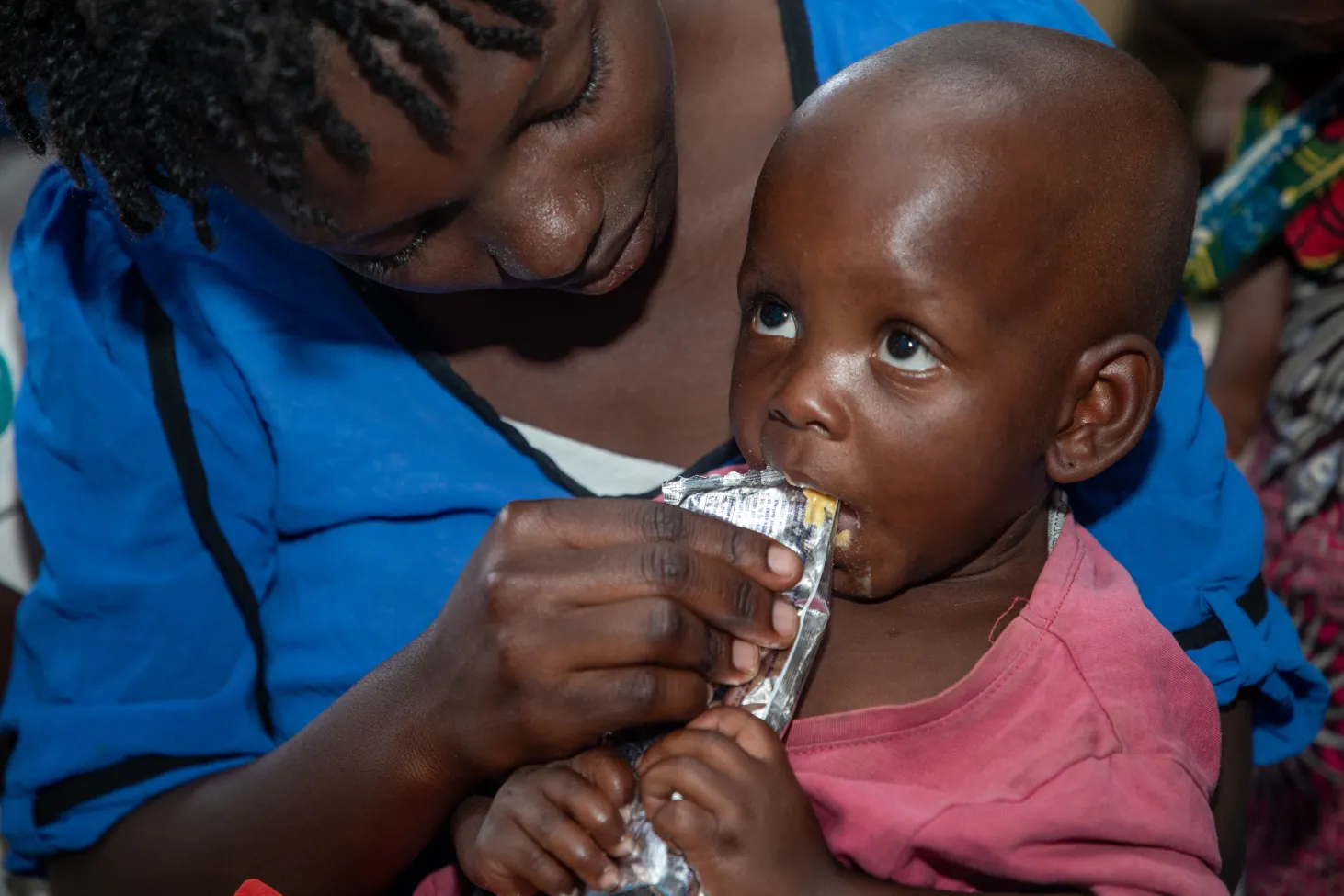
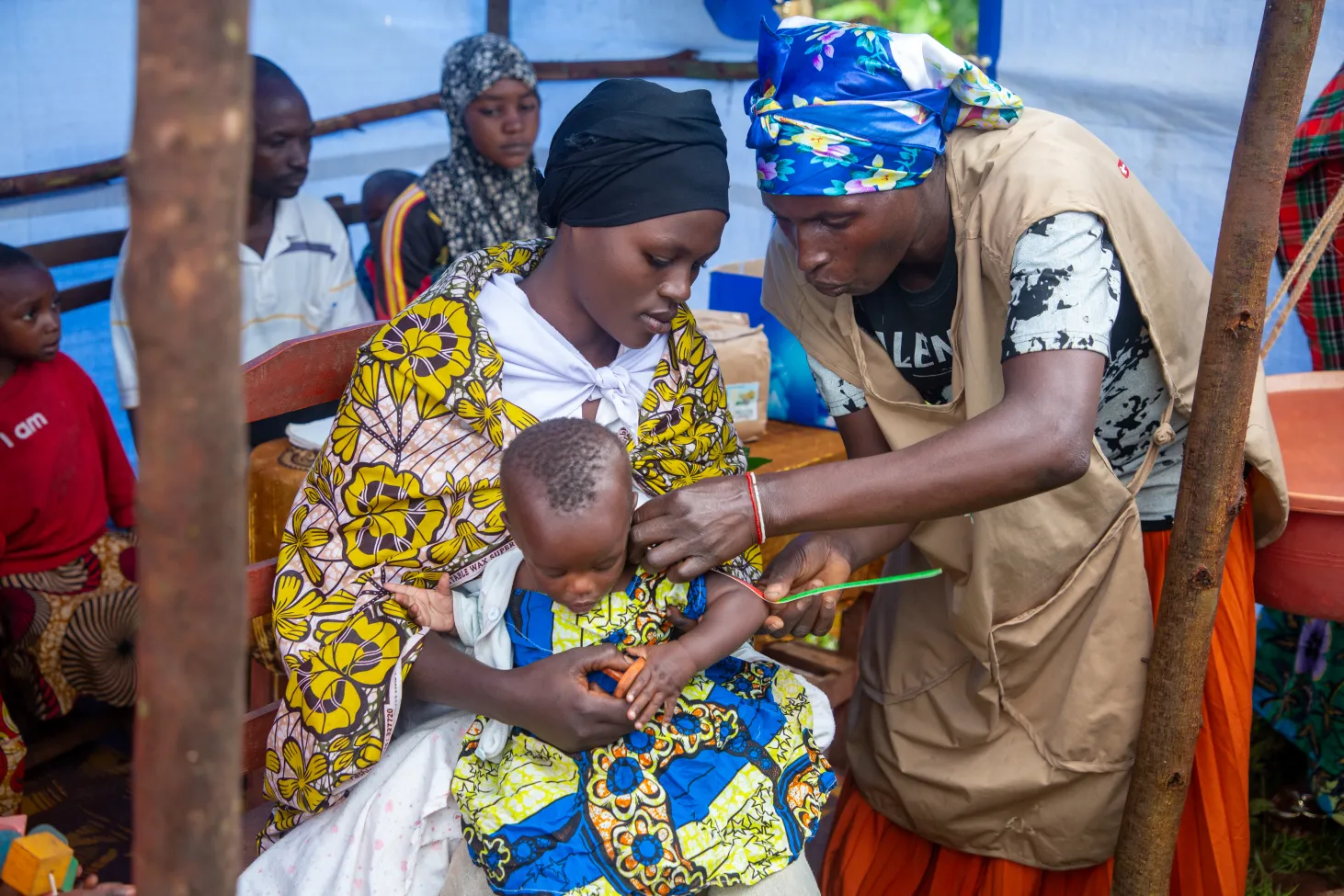
Food is available, but only about half of what’s needed. A giant tent housed moms holding their children waiting to be screened and treated for malnutrition.
They waited alongside rows of boxes of ready-to-use therapeutic food supplied by UNICEF. Thousands of children were also receiving vitamin A supplements.
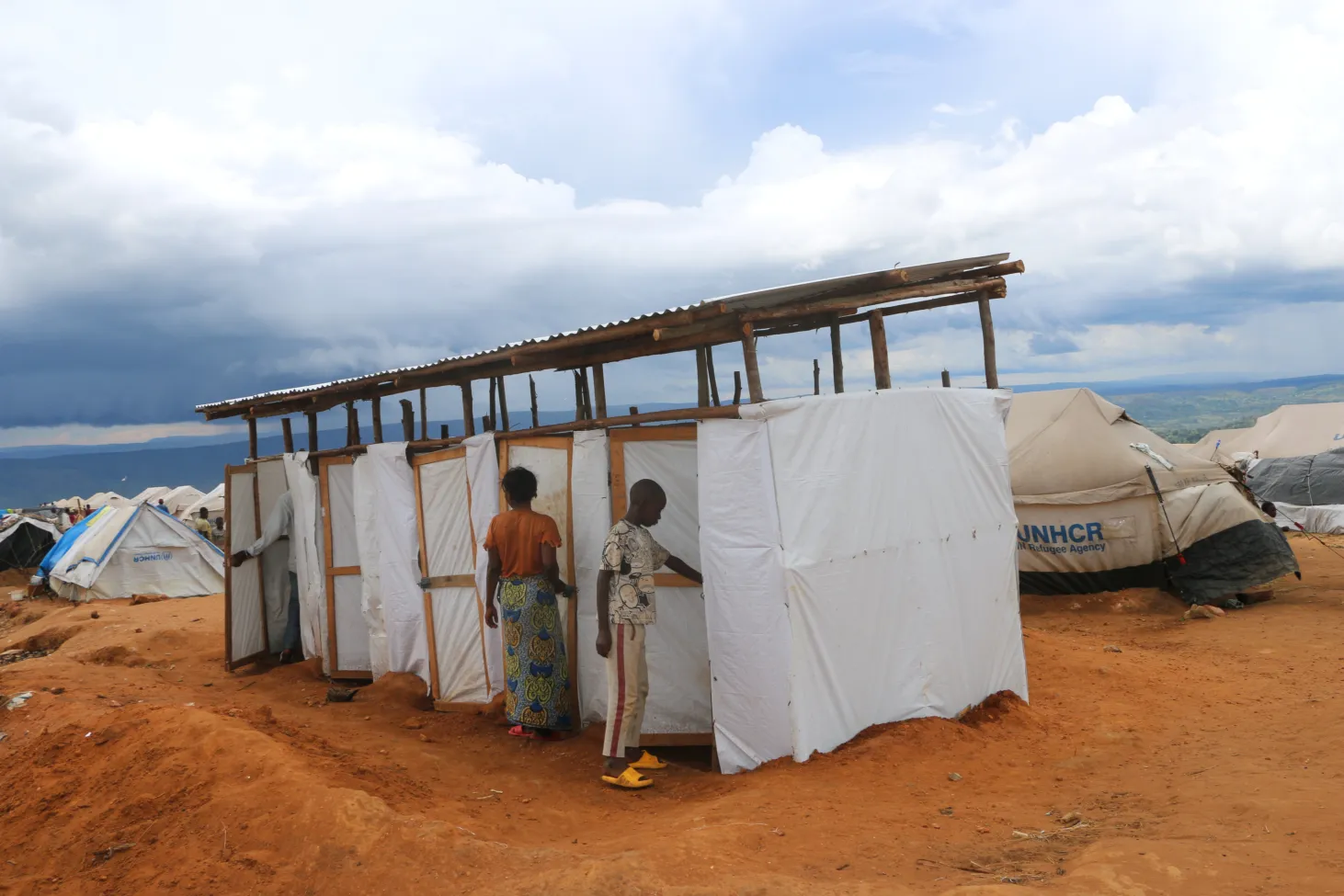
More emergency latrines were being installed but were also of inadequate supply, increasing the risk of disease.
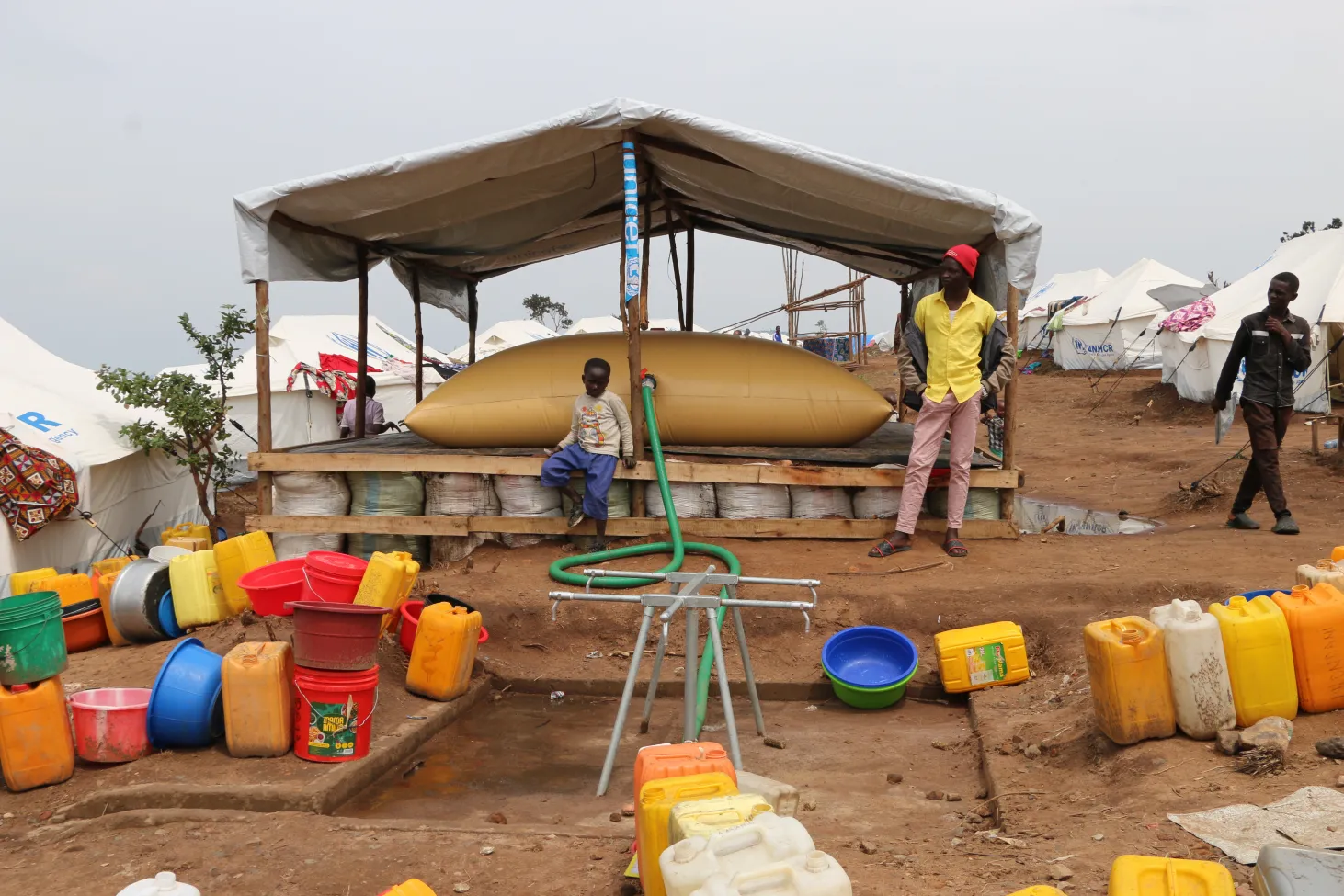
Water was shockingly scarce. A new borehole — operational soon — has been drilled by UNICEF to source more water. In the meantime, water was being trucked in a few times a week, but was nowhere near enough.
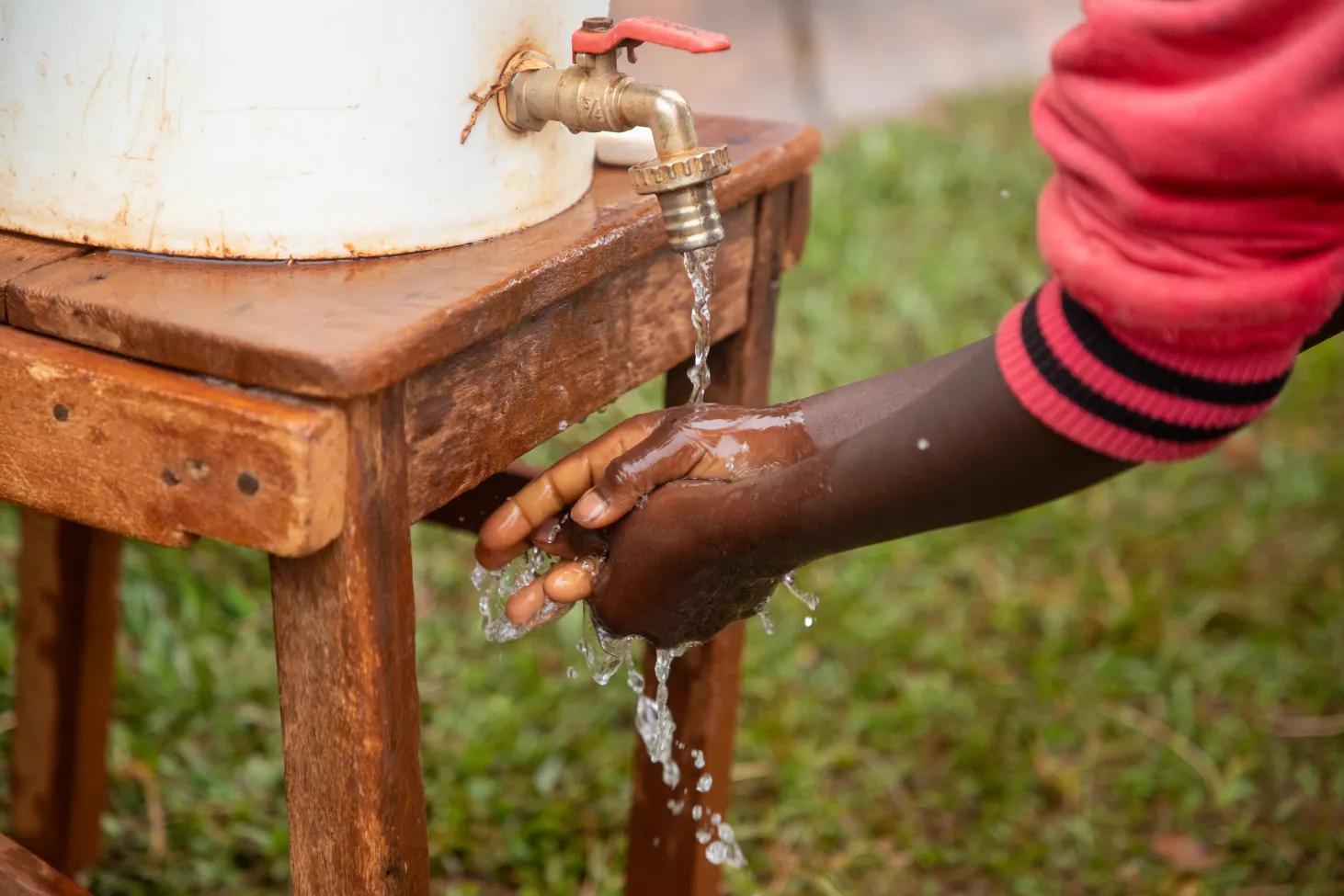
Each person was only receiving 6.7 litres per person per day (For context, minimum daily humanitarian standards are 15 litres; Canadians use ~223 litres).
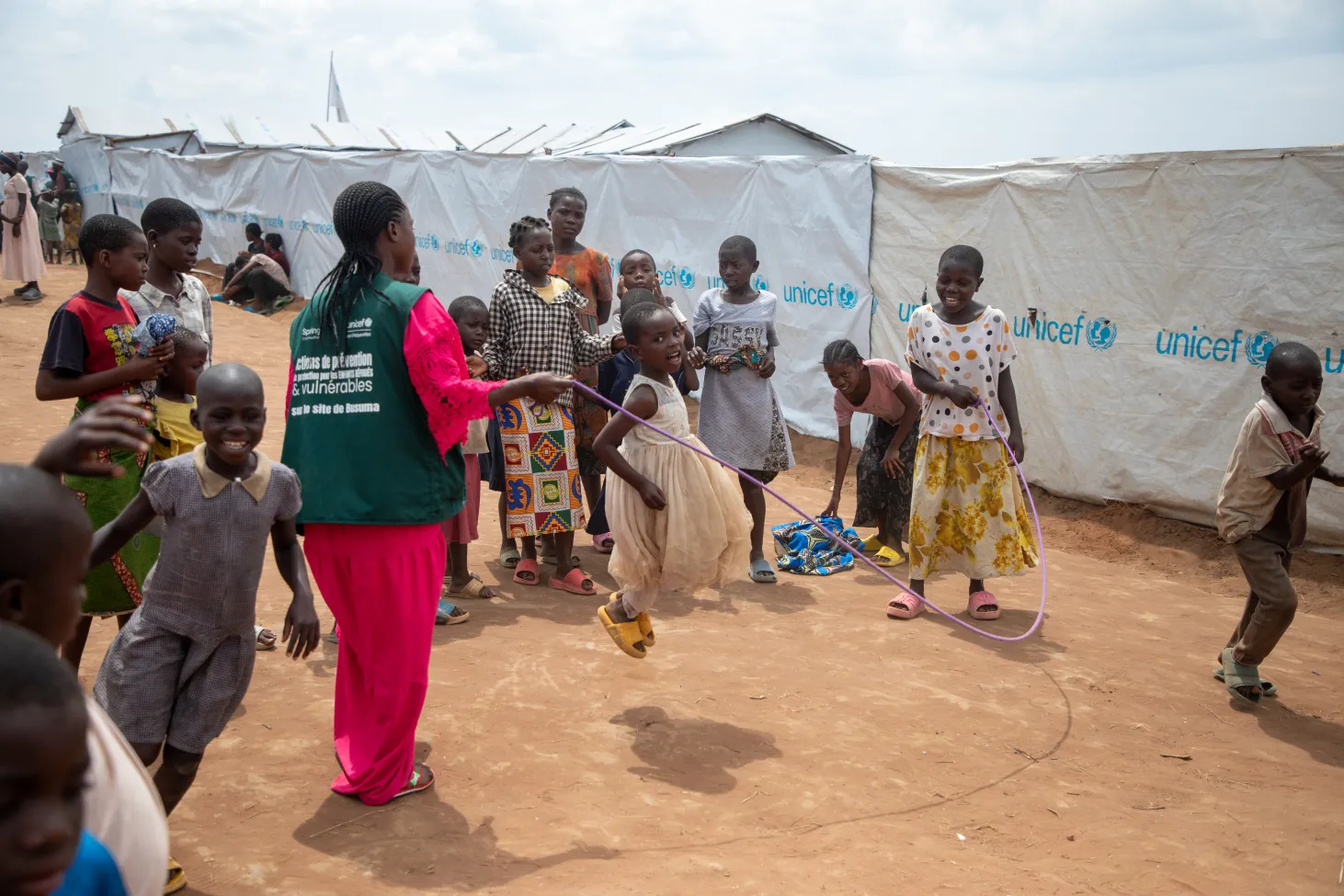
Two child-friendly spaces, equipped with toys, games and offering socio-recreational activities, provided a safe place to be a child. Mental health and psychosocial support was also being provided to children, many who'd already experienced unimaginable trauma.
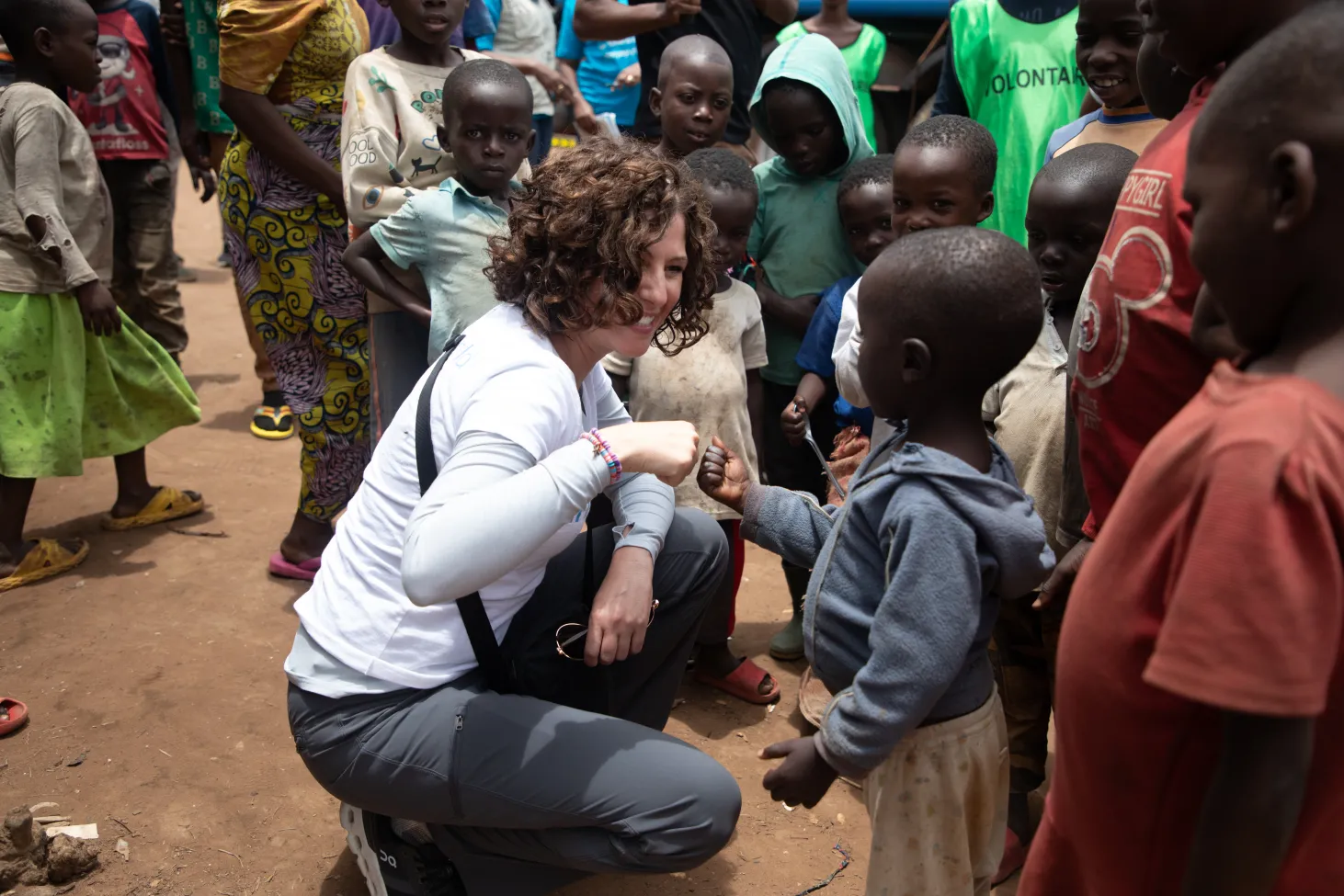
I asked the UNICEF Burundi team what it would cost to fill some of the gaps here; to bring more dignity and basic needs to the temporary living conditions. Their response? About US$5.6 million.
This is a significant but not extraordinary sum. But at a time when governments are contracting aid spending by the billions, it makes it harder to close even the smallest funding gaps. To reach that 5-year old in the refugee camp in the mountains of Burundi.
Flexible funding (money that can be used wherever needs are greatest) – from governments and individuals – allows UNICEF to do this work. It's critical. Support from our donors gets us there.
(All data as on May 30, 2026.)