


One month on: Children Affected by the Venezuela Earthquakes Still Need Help

© © UNICEF/UN0892713/Paz
One month after two powerful earthquakes struck Venezuela's north-central coast, children and families continue to face displacement, damaged infrastructure and disrupted access to essential services.
Over 23,800 people remain in temporary camps across La Guaira, the Capital District, Miranda and Aragua, with many children in urgent need of safe water, healthcare, protection and psychosocial support to recover.
UNICEF is working with partners to provide lifesaving assistance and help children begin rebuilding their lives. In this update, we'll share the latest information about the earthquakes, how UNICEF is helping children and families, and stories from those living through the crisis.
What are the latest updates on the earthquakes in Venezuela?
Recovery remains a daily challenge for children and families affected by the earthquakes:
- More than 5,500 people have been killed and over 16,700 injured.
- Children continue to face increased risks of violence, neglect, exploitation and family separation.
- Many are struggling with fear, stress and uncertainty in the aftermath of the earthquakes.
- Overcrowded camps and disrupted routines make it harder for children and adolescents to feel safe and recover.
- UNICEF aims to reach 470,000 people, including 169,000 children with lifesaving assistance and early recovery support.
Read the latest updates on UNICEF's response to the Venezuela earthquakes.
How UNICEF is helping children in Venezuela right now
Since the beginning of the emergency, UNICEF has been working with partners to support children and families affected by the disaster. To date, UNICEF has distributed more than 82 metric tons of emergency supplies, including health kits, water purification and storage equipment, and early childhood development and recreational materials.
With the help of donors in Canada and around the world, UNICEF and partners have:
- Provided safe water to more than 2,800 people through the daily distribution of 80,000 litres of water across three transitional camps in La Guaira.
- Supported healthcare services and vaccinations, helping more than 21,000 people access essential care.
- Reached more than 5,000 people with nutrition services for mothers and young children.
- Established child-friendly spaces that have supported more than 4,000 children, adolescents and caregivers with psychosocial support, recreational activities and case management.
While these efforts are helping children and families begin to recover, significant needs remain one month after the earthquakes. The weeks ahead will be critical, and sustained support can help prevent today's emergency from becoming a longer-term crisis for children.
Meet the children living through the Venezuela earthquakes
Nazareth and baby Mailo
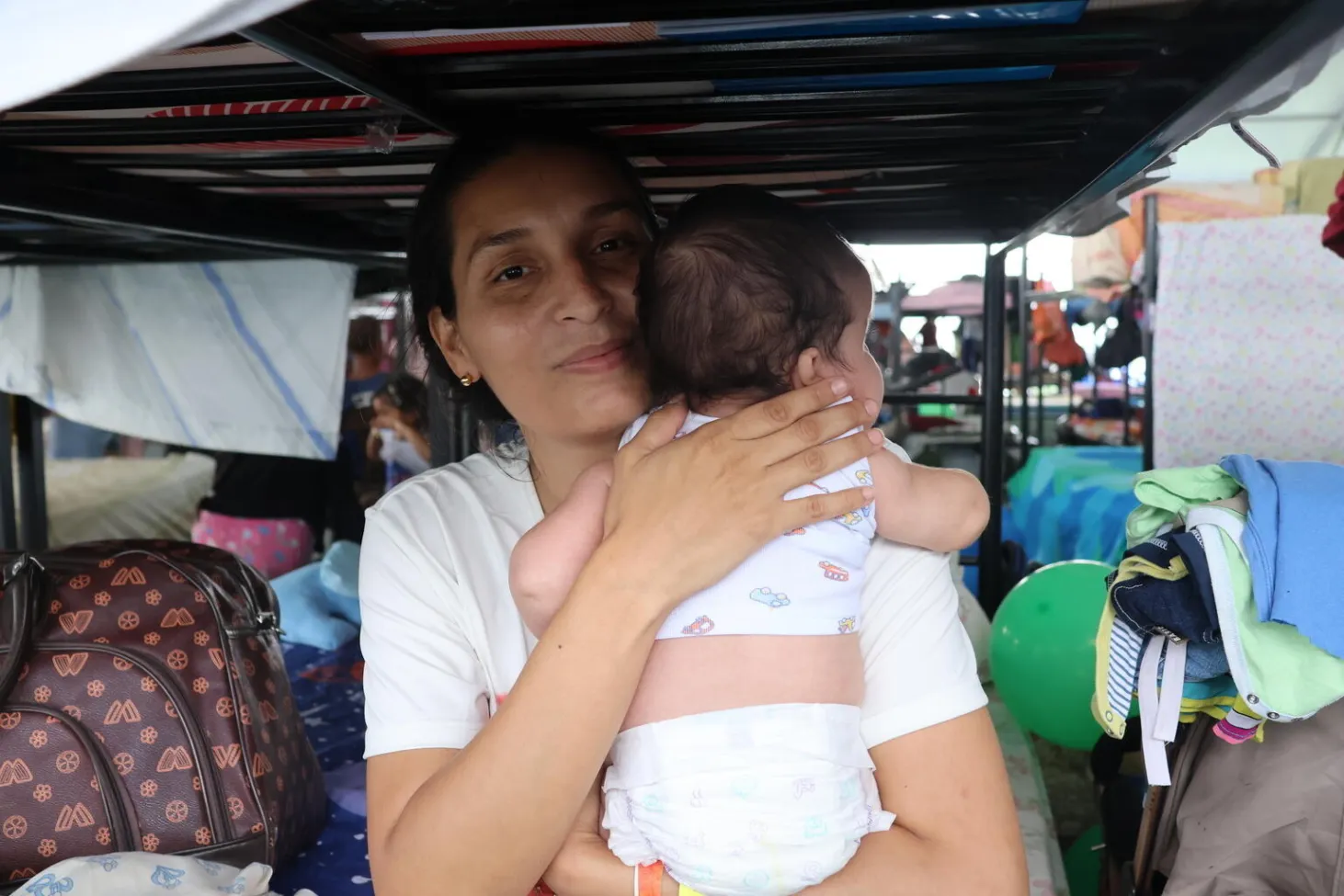
After the earthquakes struck, Nazareth Martínez left home with her three children, including her two-month-old baby, Mailo. In the days that followed, the family stayed in several temporary locations before arriving at a temporary camp in La Guaira.
At the camp, Nazareth Martínez received breastfeeding and psychosocial support, while her daughters take part in activities at a UNICEF-supported Child-Friendly Space where they can play, learn and spend time with other children.
Jeremías
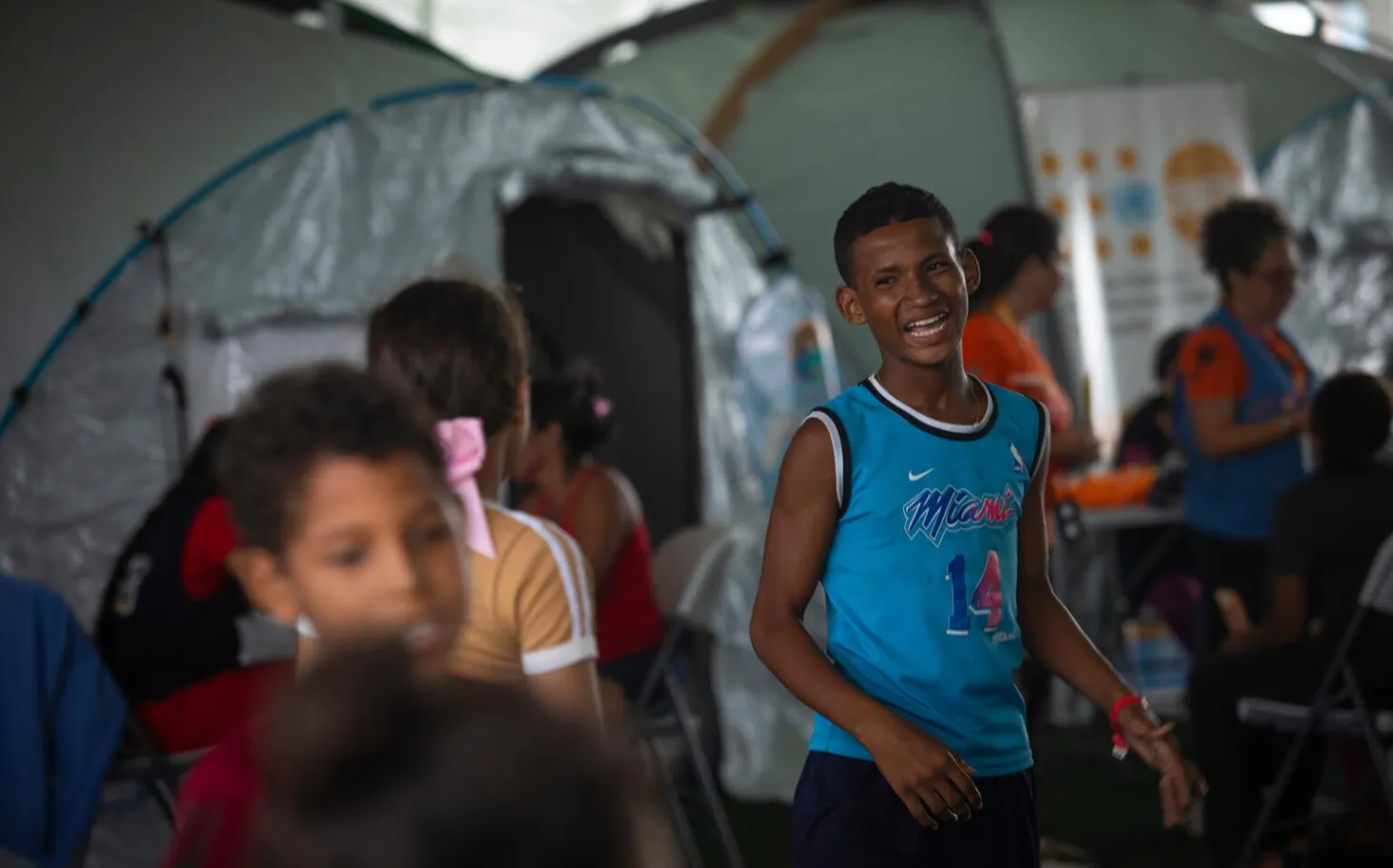
Thirteen-year-old Jeremías and his family were forced to leave their home after it was severely damaged by the earthquakes. Now living in a temporary camp in La Guaira, he spends his days at a UNICEF-supported Child-Friendly Space participating in sports, art and recreational activities with other children.
These activities help provide a sense of normalcy and emotional support as children recover from the trauma of the disaster.
Gabriela
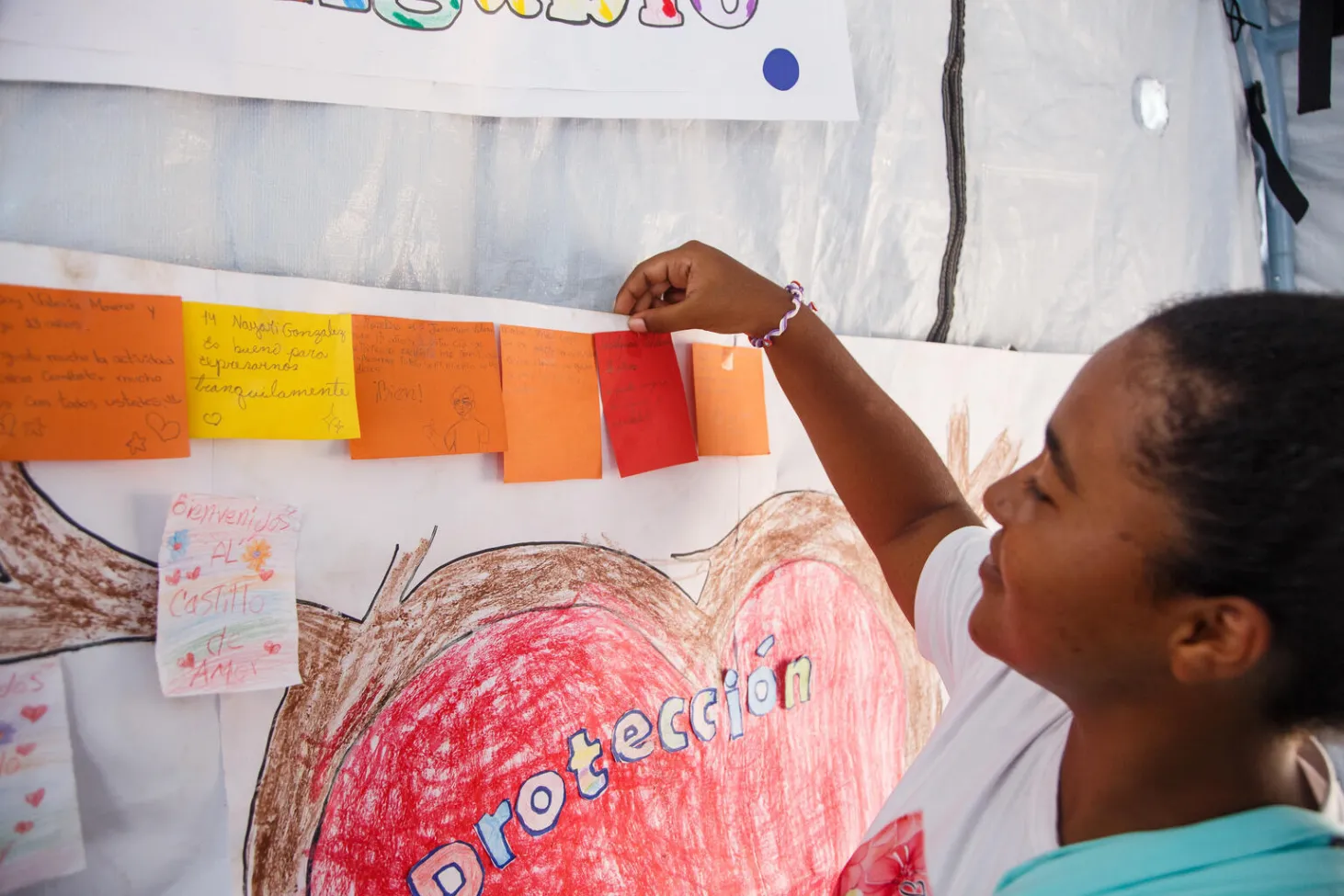
When the earthquakes struck, 16-year-old Gabriela was holding her one-month-old nephew. Today, she, her sister and her nephews are living in a temporary camp after losing their home.
At a UNICEF-supported Child-Friendly Space, Gabriela participates in activities designed for adolescents, helping her connect with other young people and process the challenges they have experienced together.
“Adolescents find it difficult to express how we feel. It's not easy,” she explains. “Having these spaces is amazing. I like helping others. Besides participating in the activities, I also enjoy supporting the group activities for younger children.”
How can I donate to Venezuela?
As affected families continue their long journey toward recovery, UNICEF and its partners are working to ensure children can access the care, protection and support they need. With the help of donors, UNICEF is reaching children with safe water, health care, nutrition support and child protection services in the weeks and months ahead.
Donate today to support children affected by the Venezuela earthquakes.