


The final mile: Canada’s role in polio eradication

© UNICEF/UNI973572/Markemal
By UNICEF Canada and Rotary International
In 1986, Canada became the first country in the world to fund the global effort to eradicate polio. Four decades later, the results are extraordinary: More than 20 million people walking who would have otherwise been paralyzed, over 3 billion children immunized, and a 99.9 per cent reduction of polio cases worldwide.
This progress is one of humanity’s greatest public health achievements and proof of what sustained investment can achieve. Polio eradication was never a one-time effort: it has required governments, communities and partners to stay committed over generations.
When we cross the line from 99 to 100, polio will only be the second human disease ever eradicated after smallpox.
The final step towards eradication will require the same collective determination that has brought us this far.
Not a disease of the past
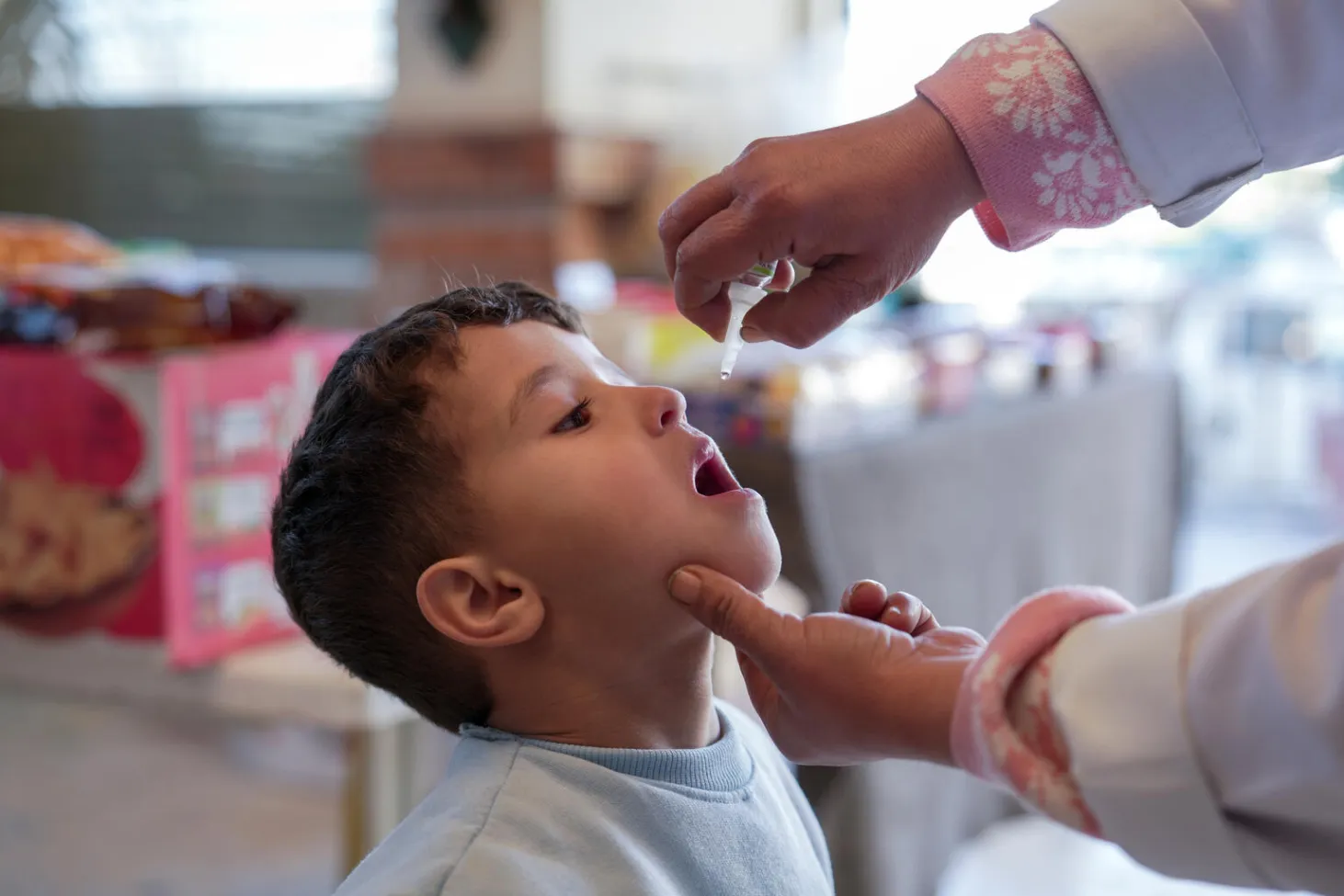
When immunization systems work it is the invisible outcomes we celebrate – the illnesses that never happened, the hospitalizations avoided.
“Simply because we don’t see it in our communities does not mean it's something from the past,” says Safia Ibrahim, a polio survivor and global health advocate.
After all, it was less than 50 years ago this highly infectious disease was infecting children in Canada and globally. A disease that invades the nervous system of a child and can cause total paralysis in a matter of hours, with one in every 200 infections of the virus leading to irreversible paralysis, usually in the legs.
“I contracted polio as a young child in Somalia, and it changed the course of my life. I remember being a child who couldn’t walk while other children could run, play and go to school,” says Ibrahim, who is living with the aftereffects of polio.
“So, when I think about polio eradication, I don’t just think about statistics. I think about children and the opportunities they deserve,” she explains. “Because being close is not the same as being finished. As long as polio exists, children remain at risk,” says Ibrahim.
As late as 2022, polio virus was detected in wastewater in Montreal. That same year the United States confirmed its first polio case in decades—a reminder of the importance of maintaining high levels of population immunity and the urgency of stopping transmission in the few places where it persists. Because, in an interconnected world, strong vaccination systems globally help keep communities at home safe too.
Canadians recognize this value. Recent polling commissioned by UNICEF Canada found that 63 per cent believe helping reduce hunger and disease among children globally makes the world safer for everyone. Sixty-five per cent of Canadians feel proud when they hear about their government helping children in lower- and middle-income countries.
“Canadian leadership has been vital to the progress toward ending polio, and Canada has an important role to play through continued advocacy and investment in the final push to end polio,” says Jennifer Jones, Chair of The Rotary Foundation.
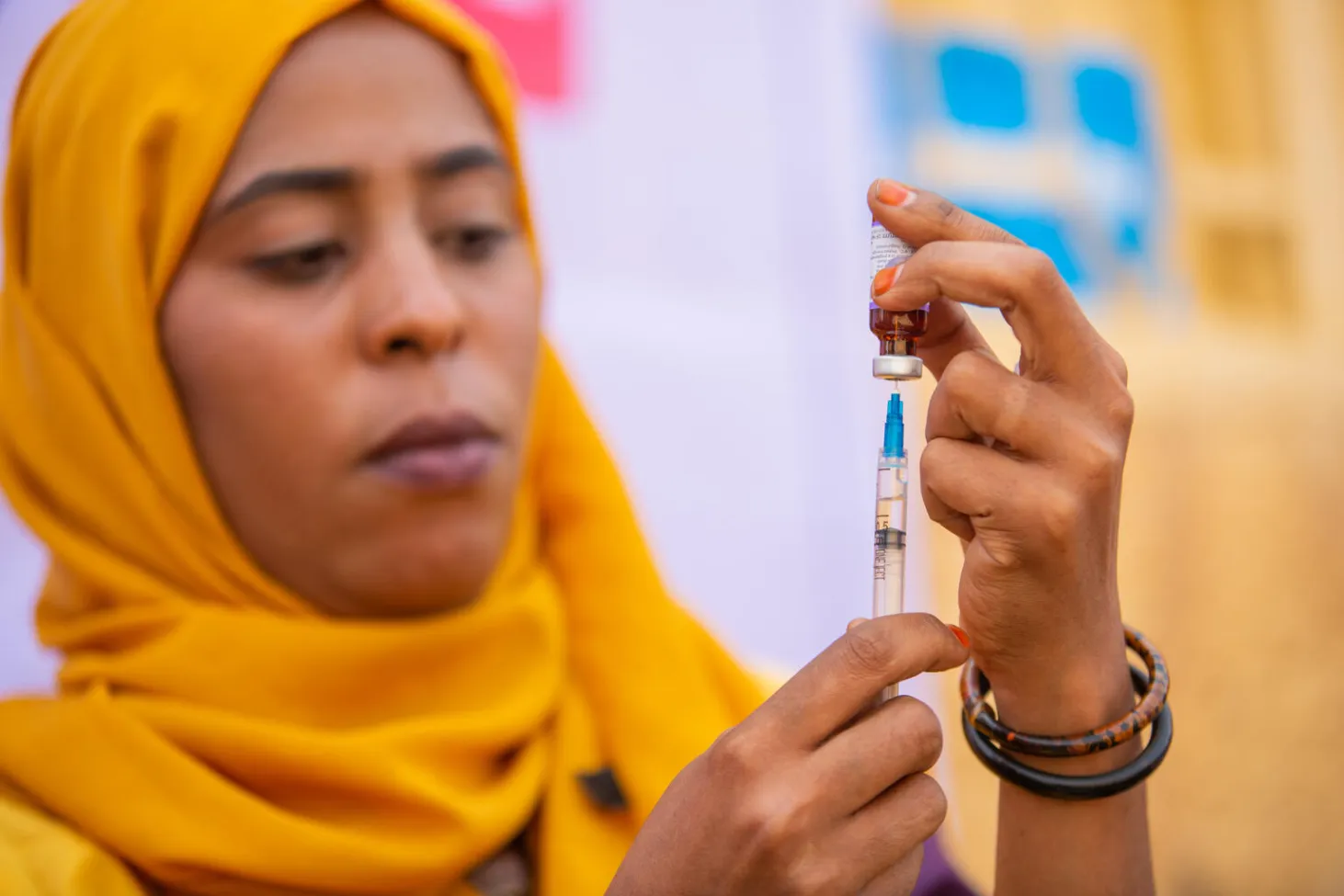
Vaccines won’t end polio on their own: Strong health systems, community trust and sustained partnerships can
Despite polio being highly contagious, the good news is that vaccines are effective, making the disease entirely preventable. The challenge remains in reaching every child, including those living in remote communities and places affected by conflict, displacement and crises, where health services and vaccine supply chains can be disrupted and access can be difficult.
Together, UNICEF, Rotary, governments, health workers and communities have built these very systems, trust and partnerships needed to reach children in such hard-to-reach places. UNICEF immunization work includes delivering vaccines, responding to outbreaks and working with communities on immunization and awareness efforts so that more than 400 million children can be vaccinated against polio each year.
The benefits of these investments extend far beyond polio.
“The systems built to fight polio also support routine immunizations and help countries detect and respond to other health threats and disease outbreaks,” says Brittany Lambert, Director of Policy, Research and Advocacy at UNICEF Canada.
“We have the vaccines, the knowledge and the tools to stop this disease. Now we need the commitment to finish the job and make sure no child loses their childhood to polio,” adds Ibrahim.
Staying the course matters
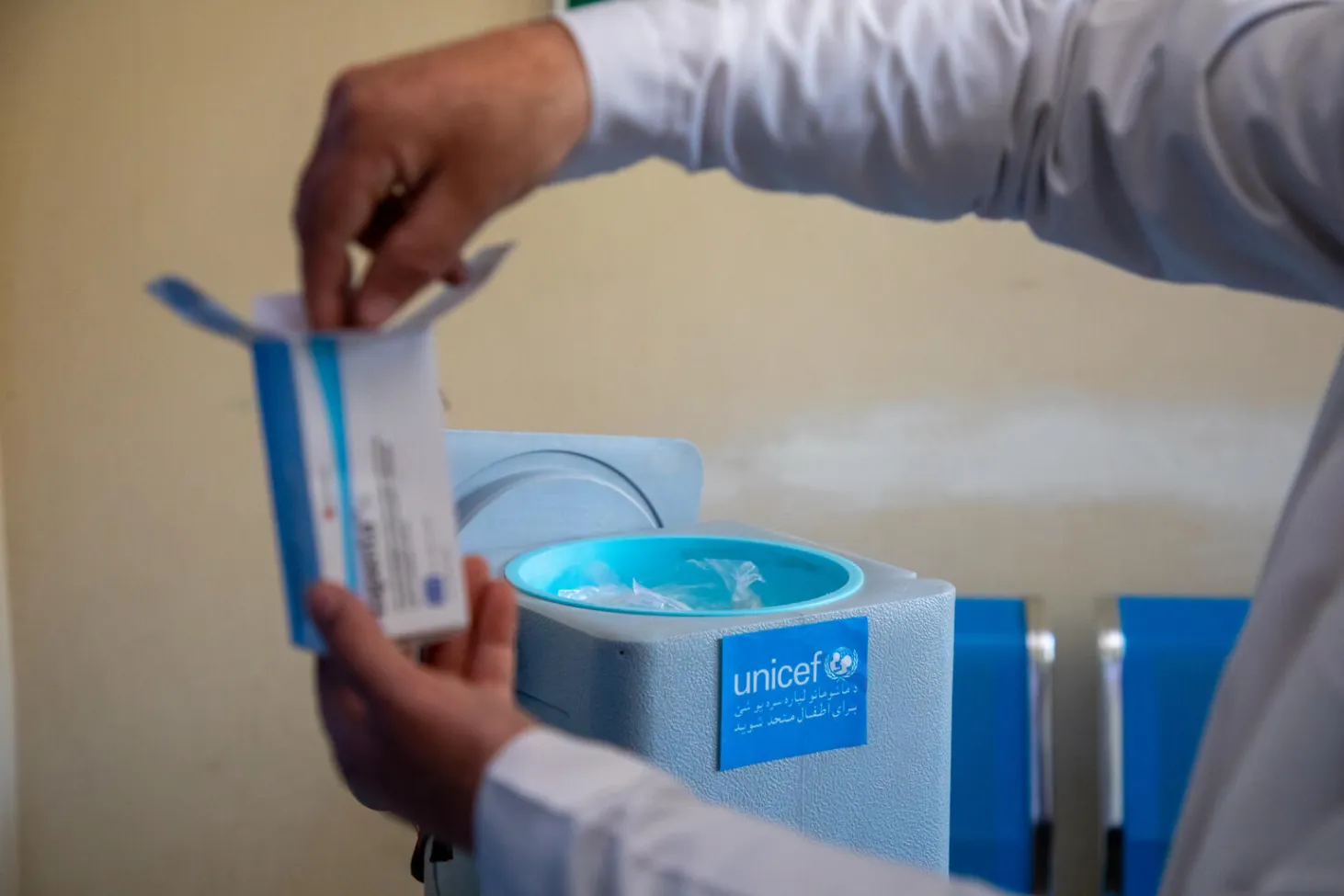
Without the continued support of countries like Canada and long-term partnerships with organizations like Rotary International and UNICEF, the progress we have seen against polio would not have been possible.
Since 1988, UNICEF and Rotary International have worked together through the Global Polio Eradication Initiative (GPEI) to protect children from this preventable disease.
“Rotary has contributed more than US$3 billion globally to eradication efforts, including more than US$51.6 million raised by Canadian members,” says Jones, adding, “A polio free world is Rotary’s top priority and we will continue to raise funds and awareness until that goal is achieved.
Sustained global immunization efforts, supported by more than CAD$1 billion in Canadian funding since 1986, including a recent CAD$151 million commitment to carry efforts to the final stage, have made stories like Ibrahim’s rarer than they once were.
With the remaining transmission of polio concentrated in fragile settings, namely Afghanistan and Pakistan, the final push towards eradication requires new approaches, sustained investment and stronger collaboration between governments, humanitarian organizations, health workers and communities.
Modeling suggests that if eradication efforts were abandoned, polio could rebound, leading to approximately 200,000 children being paralyzed each year. Given how close we are to eradicating the disease, we cannot give up now.
Canadians can help end polio
Canada helped launch the global fight against polio nearly four decades ago – and the final mile may be the hardest, but it is also the most important.
“By sustaining the investments and partnerships that brought us this far, Canada can help ensure that no child, anywhere, is left vulnerable to a disease we know how to defeat,” says Lambert.