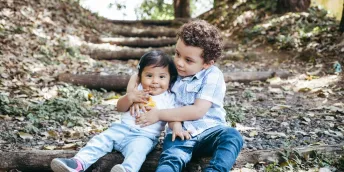
Play is the perfect gift for a child. The power of play can give children relief from the burdens of their circumstances. Purchase UNICEF toys, sports equipment and educational supplies for children to help kids be kids.
Le jeu aide les enfants à surmonter une situation difficile. Achetez des jouets, des articles de sport et des fournitures éducatives de l’UNICEF afin de leur permettre d’être ce qu’ils sont : des enfants.
Give therapeutic food items to children who are suffering from malnutrition. These UNICEF gifts provide essential life-saving nutrition to vulnerable children around the world.
Offrez des aliments thérapeutiques à des enfants qui souffrent de malnutrition. Ces cadeaux de l’UNICEF procurent des aliments essentiels à la survie d’enfants vulnérables dans le monde entier.
UNICEF welcomed UN Secretary-General Antonio Guterres’ announcement today that Henrietta H. Fore will succeed Anthony Lake as UNICEF Executive Director when his term ends on 31 December 2017.